Heat Advisory in Effect
By NYC Department of Health and Mental Hygiene | Jul 13, 2026
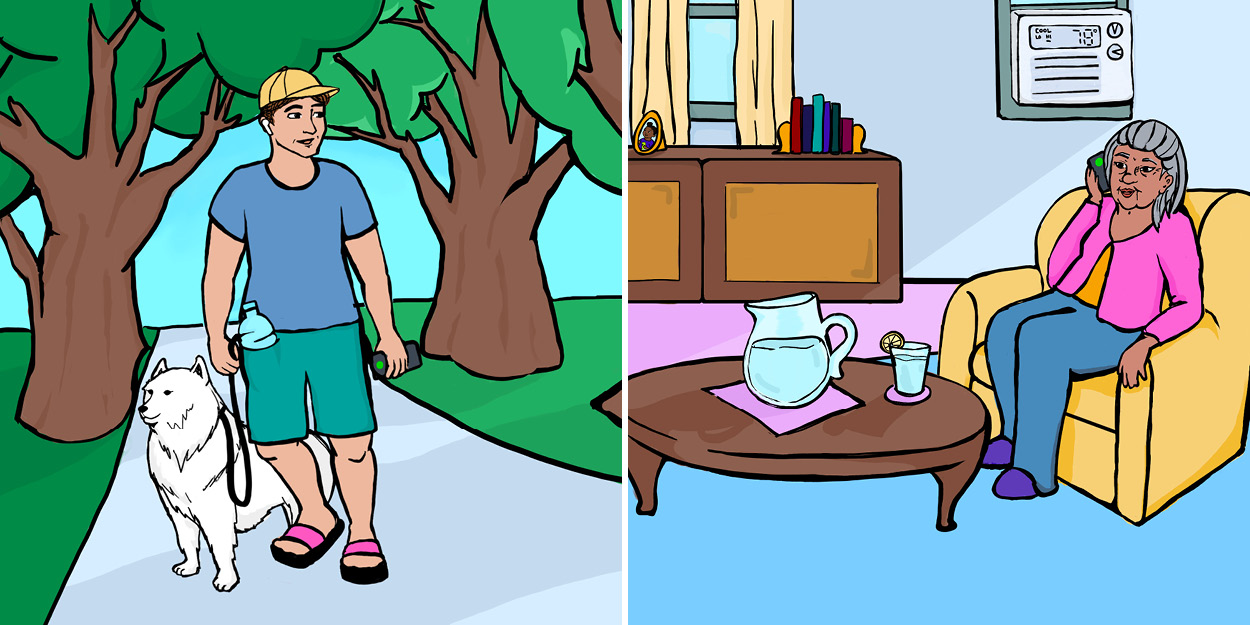
Hello Partners and Colleagues,
Stay cool and hydrated!
An extreme heat advisory has been issued for this Tuesday and Wednesday (July 14-15), with heat index values forecasted to reach as high as 101 degrees Fahrenheit and
hot weather continuing through Friday.
Each summer, on average, approximately 500 New Yorkers die prematurely because of
hot weather. Dangerously hot weather is becoming more frequent and more severe due
to climate change.
Please encourage people who do not have air conditioning to call 311 or visit the Cool Options Finder website to find a public cooling space, including accessible facilities.
Check out our materials:
Booklet: Be a Buddy: Preparing for Hot Weather
Postcard: Be a Buddy: Preparing for Hot Weather
Palm Card: Using Drugs in Extreme Heat: Reduce Your Risk of Harm
Graphic: Healthy Summer 2026: Stay Cool This Summer
You can order physical copies of similar booklets, postcards, and magnets by calling 311 and requesting, "Be A Buddy Health Promotional Materials."
Key Information to Share to Help New Yorkers Stay Safe During High Heat:
The best way to stay safe during a heat wave and the few days after a heat wave is to spend time in an air-conditioned space. If you have AC, run it at 78°F or “low cool” to stay safe, lower energy bills, and reduce pressure on the electric grid. Fans alone will not provide enough cooling when it is very hot outside.
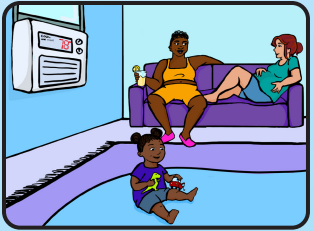 Even after outdoor temperatures drop, indoor environments can remain dangerously hot
for up to three days. In the event of an air quality health advisory at the same time
as a heat event, protecting people from heat must be prioritized. Stay indoors in
a cool space.
Even after outdoor temperatures drop, indoor environments can remain dangerously hot
for up to three days. In the event of an air quality health advisory at the same time
as a heat event, protecting people from heat must be prioritized. Stay indoors in
a cool space.
People at greatest risk do not have or use AC and have one or more of the following factors:
- Chronic health conditions (e.g., cardiovascular or kidney disease, asthma, diabetes)
- Mental health conditions (e.g., depression, anxiety, schizophrenia)
Dementia, cognitive difficulty, difficulty with self-care, or difficulty thermoregulating - Use medications (e.g., anticholinergics, psychotropics, diuretics) that affect the body’s ability to respond to heat
- Heavy use of drugs or alcohol
- Limited mobility or social isolation
Older adults (age 60 and above) are more likely to have a combination of these risk factors, and structural inequities place Black New Yorkers at greater risk of heat-related mortality. Hotter neighborhoods also have higher rates of pre-existing health conditions due to proximity to polluting infrastructure, inaccessibility to quality health care, lack of green space and air conditioning (AC).

Check on clients, friends, family, or neighbors
Remind them to use air conditioning or help them find an air-conditioned place to go. Even a few hours of cooling can save a life.
- Be alert for signs of heat illness and call 911 immediately if someone shows these signs.
- Check out our new Heat and Air Quality Guidance Tool.
Prepare for Power Outages:
Power outages can be life-threatening for those who rely on electric medical equipment such as a dialysis machine, nebulizer for asthma, an elevator for mobility issues, or medications and baby formulas that require refrigeration. Be prepared by having back-up batteries and registering your electronic medical device(s) with your utility provider to avoid interruptions in electricity access. To register your device with ConEd call: 1-800-752-6633.
Outdoor works are at greater risk for injury and illness on extreme heat days. Employees should take frequent breaks in the shade and drink at least one cup of water every 15 minutes.
Drug and Alcohol Use:
Drug and alcohol use can increase the risk of overheating and dehydration, or mask symptoms of overheating. Hot weather also increases the risk of “overamping,” which happens when someone experiences adverse reactions to stimulants like cocaine and methamphetamine. See this guidance for more information on extreme heat and drug use and how to reduce the risks of harm.
If you see someone showing signs of heat illness, check in with them to see if they need any assistance. If they're in the sun, offer to help them move to a shaded area and provide water. If you see someone who is not breathing or needs medical attention, call 911. Unresponsiveness could indicate that someone is experiencing an opioid overdose. Learn more about how to respond to an opioid overdose.
If someone does not have or use their air conditioner, they can:
- Visit someone with AC or find a free public place such as a coffee shop, library, or public atrium
- Go to a cooling center. Cooling centers for the general public, older adults only, and people and their pets are available. Call 311 (or 212-639-9675 for Video Relay Service, or TTY: 212-504-4115) to find a cooling center or other cool option nearby click here.
Stay updated with this heat event and future weather notifications:
- For current weather information go to weather.gov/okx/
- Find general heat safety information: nyc.gov/health/heat
- Sign up for Advanced Warning System (AWS) alerts
- Sign up for Notify NYC alerts
Thank you for your continued partnership to help keep New Yorkers cool and safe!
Tags: Employee Resources