Downstate Brings Brooklyn's Perspective to Global AI Discussion
By Office of the President | Oct 20, 2026
For Downstate, evaluating artificial intelligence (AI) in mental health care means asking how well it can serve the patients and communities we know. Tools must account for differences in language, culture, and access to care. Our clinical and research experience brings those concerns to an international effort to guide AI’s safe and responsible use.
Salvador Durá-Bernal, Ph.D., Associate Professor of Physiology and Pharmacology and Director of the Global Center for AI in Mental Health at Downstate, brought that perspective to the recent Clinton Global Initiative (CGI) Annual Meeting in New York City. He participated as an invited expert alongside Amy Nitza, Ph.D., Director of the Center at the University at Albany, who served as advisor and facilitator for a roundtable on the safe and equitable use of AI in mental health care.
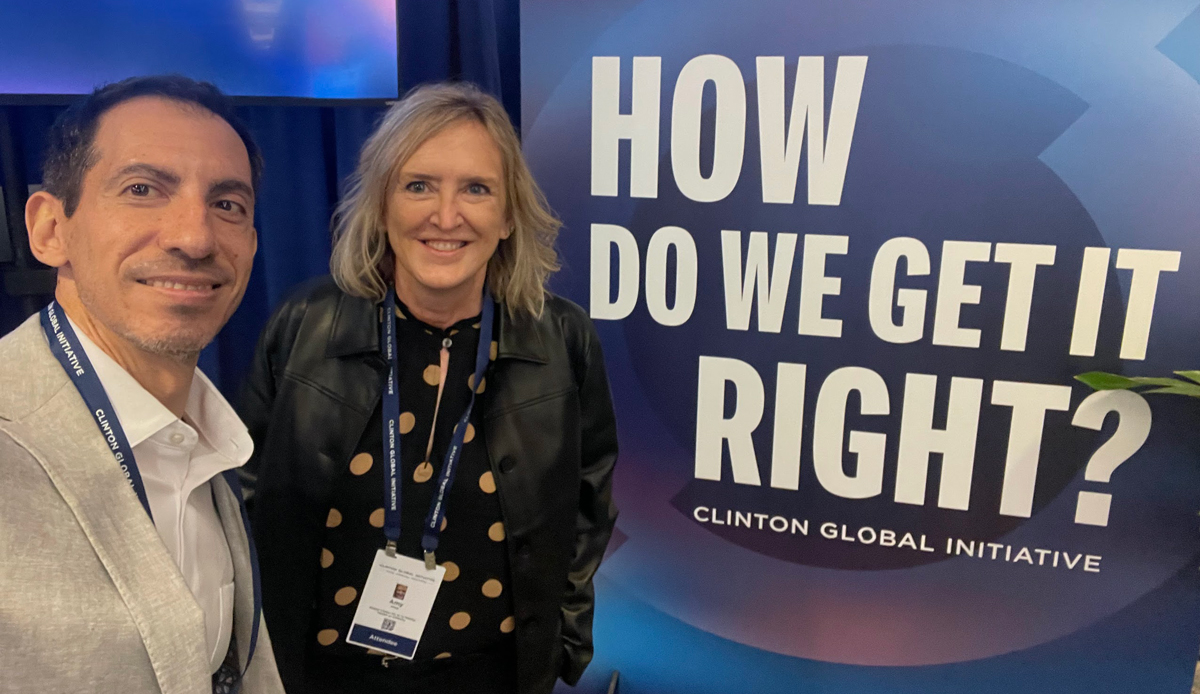
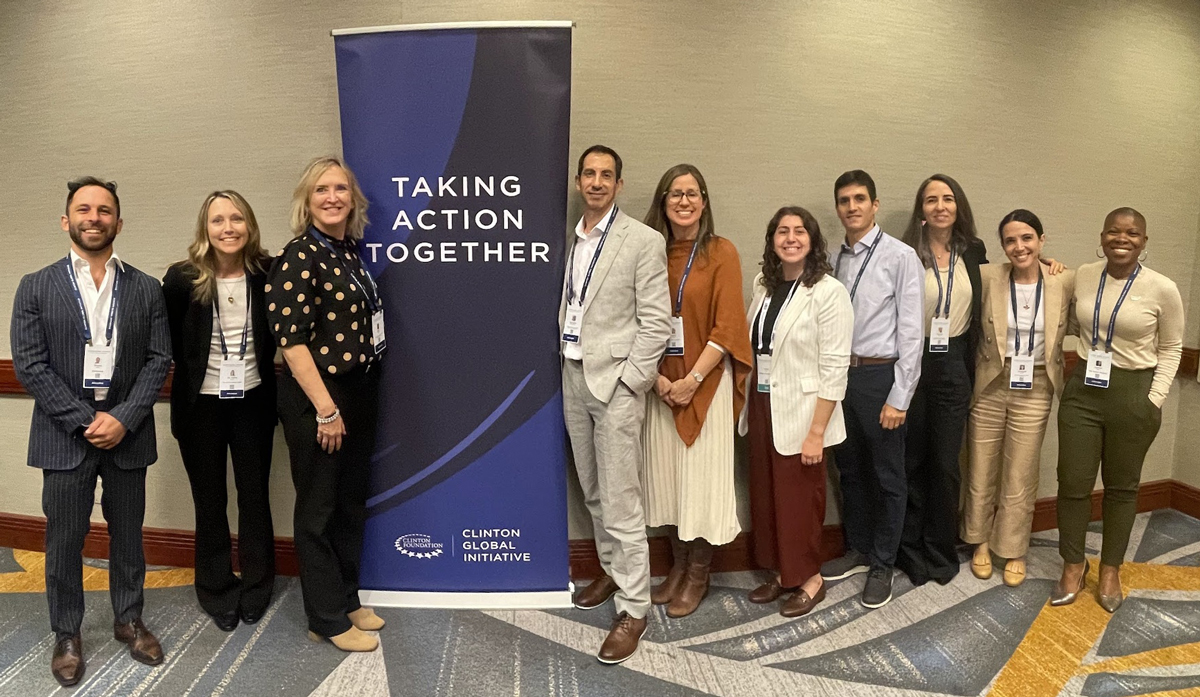
Participating in the discussion were experts from mental health, research, philanthropy, and international development. Participants explored how partnerships could guide responsible use of AI, with attention to patient safety, cultural differences, and community needs.
The roundtable identified working toward a global coalition to establish evaluation standards for AI in mental health as its next step. The Global Center for AI in Mental Health offered to help convene the coalition and draft a charter to guide its work.
Shared standards could help clinicians and health systems assess the evidence behind AI tools and decide whether they are appropriate for their patients. Downstate’s involvement offers an opportunity to help shape those standards through the experience of an academic medical center and safety-net provider serving Brooklyn’s diverse communities.
That connection matters. Our teams see how cost, language, and difficulty accessing services affect patients’ care. Bringing that knowledge into the evaluation process can help researchers and developers consider whether new tools address those barriers and work well for the people who need them.
CGI’s working sessions are designed to turn ideas into action. Participants were asked to identify partners, assign responsibility for next steps, and outline achievable deliverables for the following three months. That structure provides a path for moving the proposed coalition forward.
The annual gathering is a site for leaders across philanthropy, government, business, and civil society to develop partnerships addressing global challenges. Its working sessions support the development of Commitments to Action, specific, measurable projects and programs. Since 2005, CGI partners have launched more than 4,300 commitments across more than 180 countries.
This work builds on Downstate’s collaboration with the University at Albany through the Global Center for AI in Mental Health. Earlier this year, the Bulletin highlighted the Center’s contributions to a United Nations report on digital tools supporting victims and survivors of terrorism.
Congratulations to Drs. Durá-Bernal and Nitza on bringing their expertise to this international discussion and helping ensure that advances in AI reflect the needs of the communities we serve.
Tags: AI