Current Scholars
TRACS: Transitions to Academic Careers
TRACS is a one-year paid research training program for medical, graduate, and select post-baccalaureate students. With a research focus on the drivers of health and a one-year stipend, TRACS prepares students for residency or post-doctoral training.
2026
Jonathan Acosta Morales
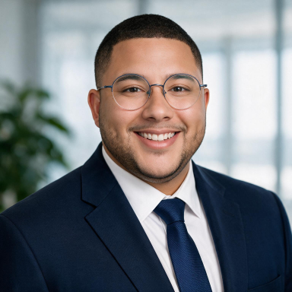 Jonathan Acosta Morales is a clinical research and public health professional pursuing
a Doctor of Public Health in Epidemiology at SUNY Downstate Health Sciences University.
He earned his Master of Public Health in Epidemiology from SUNY Downstate, Master
of Science in Medical Science from Southern California University of Health Sciences,
and Bachelor of Arts in Biological Sciences with a concentration in Neurobiology and
a focus of Psychology from CUNY Hunter College. He is certified in public health (CPH)
and disease intervention (CDI) by the National Board of Public Health Examiners (NBPHE).
He currently serves as a Research Program Coordinator for Cellular Therapy at Mount
Sinai Health Systems – Icahn School of Medicine, supporting clinical trial studies
using CAR-T, BiTE, TILS, TCRs, other investigational treatments. His experience spans
oncology, nephrology, hepatology, and immunology. His work intertwines public health
and clinical research into a translational lens, bridging bench-to-bedside therapeutic
findings to patient care. His research interests include health equity, cancer survivorship,
genomics, and the effects of coexisting chronic diseases on patient outcomes. As a
TRANSPORT scholar, he is exploring a focused research direction while strengthening
the methods and writing skills needed for doctoral research.
Moyouri Bhattacharjee, MPH
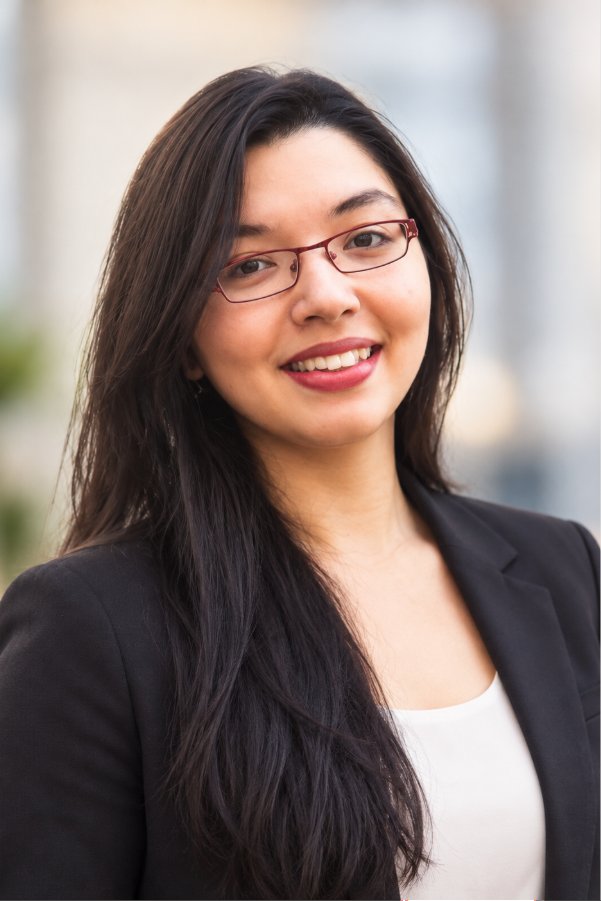 Moyouri Bhattacharjee, MPH, is a public health researcher currently pursuing her Doctor
of Public Health (DrPH) in Epidemiology at SUNY Downstate Health Sciences University.
She received her Bachelor of Science in Biological Sciences from Cornell University
and her Master of Public Health (MPH) from SUNY Downstate, where she was inducted
into the Delta Omega Public Health Honor Society and received the Roy Milner Seideman,
MD Award for Academic Excellence. She was also the lead author of research recognized
with the 2025 APHA Health Administration Section Research to Practice Award.
Her previous research experience spans basic science, qualitative, and translational research. Her laboratory research included biochemistry and biophysics, with a focus on the structural biology of binding proteins and four-phase lipid bilayer modeling. She also has experience conducting qualitative and translational research in residential and home-care settings.
Her current public health research includes work as a research coordinator on projects examining patient experiences in healthcare settings, healthcare utilization, and differences in access to care among patients with chronic diseases. Her research interests focus on social determinants of health, patient-centered care, and factors influencing chronic disease prevention, screening, and treatment, particularly in cancer prevention and screening.
As a TRANSPORT TRACS Research Scholar, Moyouri is working to further develop her methodological and analytical skills, particularly in the application of advanced epidemiologic methods, electronic health record (EHR) data, and emerging analytical approaches to studying healthcare access and outcomes.
Ruby Manzoor-Sanchez, B.S, MS
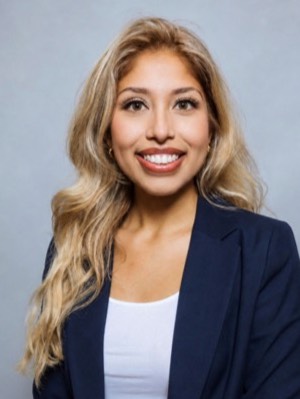 Ruby Manzoor-Sanchez is a Hunter College alumna with a B.S. in Human Biology and a
minor in psychology. She also earned a master’s degree in Interdisciplinary Studies
in Biological and Physical Sciences from Touro College of Osteopathic Medicine. She
has conducted pediatric health literacy research at NYU Langone Health and Bellevue
Hospital and has participated in research examining chronic disease prevalence in
U.S. safety-net hospitals through SUNY Downstate’s SPRINTER program.
Currently as a TRACS research fellow at SUNY Downstate Health Sciences University, Ruby is working under the guidance of Dr. Carla Boutin-Foster and contributes to community-engaged research focused on health equity, healthcare access, and the experiences of underserved populations. Her research interests include addressing health disparities and improving patient-centered care.
Her clinical and service experience includes volunteering as a Spanish medical interpreter at a student run free clinic and supporting pediatric research involving English and Spanish speaking families. Passionate about medicine and surgical care, Ruby is preparing to apply to medical school, with aspirations to become a physician who advances health equity through clinical practice and research.
Fun Fact: Ruby enjoys learning about different cultures and languages and is passionate about connecting with and serving diverse communities.
Johnny Luis Guevara
Johnny Luis Guevara is a researcher at the Center for Virtual Care at Weill Cornell Medicine, where his work includes partnering with biotech companies to pilot emerging AI technologies in clinical settings, improving the delivery and quality of virtual care, and promoting equitable access to digital health tools. He is particularly interested in developing innovations that reflect the needs and priorities of Spanish-speaking communities. That commitment led him to found SaludNYC, which evolved from a data equity project into a community health initiative connecting Spanish-speaking residents of Queens with information, resources, and direct services. Across these efforts, he draws on a background spanning clinical care, healthcare operations, and computational biology. He earned his bachelor’s degree summa cum laude from CUNY-City College and aims to become a physician-scientist dedicated to advancing research and advocacy for under-resourced communities.
Holly Tomlin
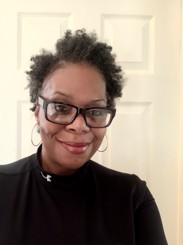 Holly R. Tomlin, JM, MPH received her international public health degree from Tulane
University School of Public Health & Tropical Medicine in New Orleans, LA. Subsequently
she continued to work in New Orleans as a data scientist and clinical research coordinator
and then as a field epidemiologist/program manager in Democratic Republic of Congo.
Later, Ms. Tomlin worked as a medical writer in the biopharmaceutical industry and
recently completed a competitive research fellowship with Weill Cornell Medicine.
Ms. Tomlin received a Juris Masters from Emory University Law School. She is currently
a student in the PhD Health Law, Policy, and Management Program at Meharry Medical
College, School of Global Health. Ms. Tomlin’s primary interest is advancing legal
epidemiology in the study of health law and policy on social structures that promulgate
poor health outcomes, particularly cardiometabolic disorders (diabetes and hypertension),
cardio-kidney metabolic syndrome, and APOL-1 -related chronic kidney disease that
result in kidney transplant decisions. As a Research Fellow at SUNY Downstate Health
Sciences University and a Research Affiliate in the Consumer Health Informatics Lab
at Yale School of Public Health, Ms. Tomlin incorporates into her research the Political
Determinants of Health and the WHO Commission on Social Determinants of Health frameworks,
while working on initiatives to bridge community health and academic medicine.
Alitasha Younger
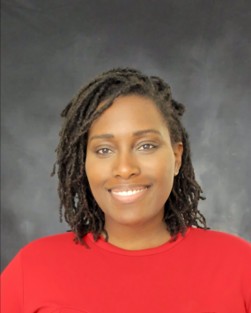 Alitasha Younger is a Senior Program Coordinator at the New York State Department
of Health, AIDS Institute. She is also a fourth-year Doctor of Public Health (DrPH)
student at SUNY Downstate Health Sciences University, with a concentration in Community
Health Sciences.
She holds an MPH in Community and International Health Sciences from NYU's School
of Global Public Health and a BA in Africana Studies from Vassar College.
Alitasha's research interests center on health equity and the structural conditions
that shape health outcomes. She is particularly interested in the distribution of
public health resources and funding and its relationship to access to care. She aims
to translate research into effective public health practice and examine how public
health systems can more equitably reach and serve historically disenfranchised communities.
2025

Elizette Benicya Lakouetene
Elizette Benicya Lakouetene is a Hunter College alumna with a degree in Biochemistry and a minor in Psychology. She has conducted research on breast cancer in the Black community at Weill Cornell Medicine and examined the environmental quality of life and climate-related health impacts in New York City.
Currently a research fellow at SUNY Downstate Health Sciences University, she investigates how physicians, clinicians, and patients perceive the use of artificial intelligence in healthcare.
Her clinical experience includes serving as a receptionist and physician care assistant
in the Department of Geriatric Psychiatry, volunteering in vascular surgery and general
surgery clinics, and shadowing multiple specialties in the operating room. Passionate
about surgery, Elizette is preparing to apply to medical school, with aspirations
to advance patient care through both clinical practice and research.
Fun Fact: Elizette loves to sprint and clean in her free time.

Kenny Escobar
Kenny Escobar brings a deep passion for advancing universal health —with a special focus on expanding access to healthy food—to the 2024–2025 TRACS Program. Over the past five years, Kenny has been deeply engaged in health related work throughout the Bronx, building partnerships with neighborhoods, faith-based, and civic organizations to address challenges affecting populations.
Kenny’s public health journey began in his senior year of college, when a course on healthcare challenges shifted his career path. “I’m glad I found out that public health was my path,” he reflects. He went on to earn his Master of Public Health (M.P.H.) from Cornell University, where he honed the communication and stakeholder engagement skills he now puts into action every day.
Currently, Kenny serves as a Project Coordinator with the Archdiocese of New York Drug Abuse Prevention Program (ADAPP), where he leads a Bronx-based urban coalition focused on preventing drug, alcohol, and tobacco use among youth. He collaborates with a broad network of stakeholders, including the NYPD, Bronx District Attorney’s Office, schools, neighborhood boards, food pantries, and parent groups. Whether he’s writing grants, designing focus group questions, or mentoring student advisors, Kenny is driven by a desire to make real change in public health.
Through the TRACS Program, Kenny is preparing for the next phase of his journey—doctoral studies in public health—and we’re thrilled to support his continued growth as a health leader.
Fun fact: Kenny is a proud foodie and loves to travel!
2024

Valerie Chateau
Valerie Chateau's education was at Long Island University, where she graduated Magna
Cum Laude with a B.S. in Health Science as a HOPE Scholar. There she grew an interest
in biomedicine and public health. She was a 2-year intern at the Brooklyn-Queens-Long
Island Area Health Education Center (BQLI-AHEC). She broadened her understanding of
healthcare complexities by engaging in interdisciplinary work and contributing to
neighborhood-based initiatives in areas throughout NYC. Notably, she was involved
with the Commission on the Public Health System (CPHS) in designing and implementing
the "Collecting the Invisible Experiences During COVID-19" survey to address health
challenges and advocate for policy changes. As a SPRINTER Student at SUNY Downstate
Health Sciences University, she worked on research to correlate stress levels with
educational attainment; shedding light on the intricate relationship between social
determinants and health outcomes. Her current TRACS study is focused on advancing
health in clinical practice by implementing competencies and working with CERCA. She
is working under the guidance of Dr. Carla Boutin-Foster, and Dr. Margaret Salisu.
What do you look forward to gaining from the TRANSPORT TRACS program?
"From the TRANSPORT TRACS program, I look forward to enhancing my research capacity,
contributing to scientific publications, and strengthening my foundation in public
health and clinical settings. These skills and opportunities would align perfectly
with my aspiration to become a well-rounded physician."

Cordero McCall
Cordero McCall is a third-year medical student at the Medical College of Wisconsin.
He earned both his Bachelor of Science and Master of Public Health degrees at SUNY
Albany. In later years, he earned Master of Business at Saint Louis University in
hopes of utilizing both his MBA and MPH during his medical endeavors.
McCall is a Nth dimensions scholar, research fellow, and member of the esteemed Alpha
Phi Alpha Fraternity, Incorporated. He is also a proud alumnus of Northwestern University's
Health Research Training Program, Northwestern University's Uterine Leiomyoma Research
Center Lab Immersion Program, and Rothman's Orthopaedic Summer Immersion Research
Program.
His research interests are largely focused on creating environments for advancing
health. His projects are mostly focused on basic, translational, clinical, and population
science. His current research projects include colorectal health, prostate cancer,
orthopaedics, chronic diseases, and global health. He is currently working in Dr.
Camacho Rivera's research lab.
What do you look forward to gaining from the TRANSPORT TRACS program?
"I am eager to collaborate with you and your team to better understand how to conduct
research at a high level, better develop myself as a growing professional, and meet
and retain lifelong mentors. Ultimately, my goal is to become an orthopaedic surgeon
and to return to New York so that I can address many of the health challenges that
I experienced as a child growing up in Brooklyn, NY. I have spent over 10 years working
in the medical field in several entry-level and mid-level positions to be able to
better address my neighborhood. After becoming a medical student, I began to understand
that working towards improving health reducing health challenges seen in Brooklyn
neighborhoods. With this program, leadership, and dedicated faculty and staff, I know
that I will become the physician that I’ve always dreamed of becoming."

Tobi Somorin
Tobi Somorin is a rising 4th-year MD/MPH candidate at SUNY Downstate College of Medicine.
A lifelong New Yorker, Tobi was born in the Bronx and raised in Middletown, New York.
He earned his degree in Biochemistry from Stony Brook University, where he worked
with the National Cancer Institute to research cancer health challenges. Tobi's passion
for addressing institutional-level public health led him to pursue a combined MD/MPH
degree with a focus on Health Policy and Healthcare Administration.
Tobi is spending his research year serving as the Craniofacial and Pediatric Plastic
Surgery Research Fellow at the Children's Hospital of Pittsburgh, and a Transition
to Academic Careers (TRACS) Scholar.
As a research fellow, Tobi is excited to research advancements in pediatric plastic
surgery, cleft and craniofacial conditions, and the integrations of imaging and machine
learning under the mentorship of Dr. Jesse Goldstein. Tobi is also committed to developing
interventions that promote health on a systems level through his involvement as a
TRACS scholar under the guidance of Dr. Marlene Camaco-Rivera.
What do you look forward to gaining from the TRANSPORT TRACS program?
"I’m eager to delve into the complexities of health in our country and research policy-level
solutions. The TRANSPORT TRACS program stands out above other programs because it
embraces the importance of researching institutional challenges while seeking ways
to address it. There has been a thorough discourse on healthcare challenges, but unfortunately
a paucity of proposed solutions to this issue. I am excited to add more solutions
to the table this year and throughout my career as an academic surgeon."
PRIDE

Dr. José E. Diaz
José E. Diaz is a Research Assistant Professor in the STAR Program and Department
of Medicine at SUNY Downstate Health Sciences University. Dr. Diaz’s research centers
on contextualizing health challenges, including HIV and substance use, among populations,
with an emphasis on care/treatment access. His recent work examined how intersectional
stigma and resilience are linked to past-year substance use treatment utilization
among those who use stimulants (i.e., cocaine, methamphetamine). He has collaborated
on studies exploring the feasibility of home blood/urine specimen collection for laboratory
testing of relevant health indicators (e.g., HIV viral load, recent substance use)
to potentially support treatment. Lastly, Dr. Diaz recently completed work on a longitudinal
study seeking to examine how neighborhood contexts and social networks impact HIV
care outcomes among those who live in New York City. His primary mentor is Dr. Sabina
Hirshfield.
What do you look forward to gaining from the Junior Faculty program?
"My participation in the TRANSPORT Junior Faculty PRIDE Program comes at a critical
juncture in my career. As part of the program, I am looking forward to further building
my capacity as an independent researcher by working towards and securing additional
NIH funding, growing content expertise that supports the expansion of my research
portfolio, and receiving guidance and mentorship that will shape me into a stronger
mentor as well."

Zoe Neale
Dr. Zoe Neale is an Assistant Professor in the Department of Psychiatry at SUNY Downstate
Health Sciences University. She earned her Ph.D. in Clinical Psychology from Virginia
Commonwealth University, where her NIAAA F31-funded research focused on integrating
genetics into alcohol use prevention for youth. Her T32 postdoctoral fellowship at
Boston University and the VA Boston Healthcare System afforded specialized clinical
and research training in stress, with an emphasis on neurobiological correlates and
dementia risk in veterans. Dr. Neale's current research explores the intersections
of severe stress, genetics, and neurodevelopment, with a particular emphasis on alcohol
use, PTSD, and brain health (e.g., neural functioning, dementia) across the lifespan.
Dr. Neale is also committed to conducting research that expands understanding of genetics,
with the goal of promoting health and advancing precision medicine for individuals
from all backgrounds. Her primary mentor is Dr. Jacquelyn Meyers.
What do you look forward to gaining from the Junior Faculty program?
"I am excited about the TRANSPORT Junior Faculty program as it provides an invaluable
opportunity to advance my research and grantsmanship skills, particularly in the context
of health challenges. I very much look forward to connecting with fellow scholars
and mentors who share a passion for addressing these critical issues. Through this
program, I hope to gain deeper insights into translational research and further refine
my work on the genomics of severe stress, alcohol, and aging, with the goal of informing
interventions that promote brain health and resilience in populations."
Tade Souaiaia
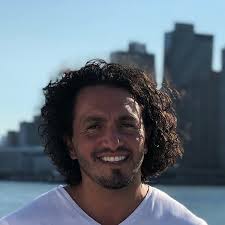
Tade Souaiaia, PhD is an Assistant Professor in the Department of Cell Biology at SUNY Downstate Health Sciences University and a statistical geneticist whose research focuses on developing computational and statistical methods to understand the genetic architecture of complex traits. His work integrates genetics, genomics, and quantitative modeling to improve polygenic risk prediction and to better understand how social and environmental factors influence genetic studies across diverse populations. Dr. Souaiaia received his PhD in Computational Biology from the University of Southern California and completed postdoctoral training in Statistical Genetics at USC. Throughout his career, he has developed widely used bioinformatics software and analytical methods for genomic data analysis, including tools for sequence alignment, variant discovery, methylation analysis, and polygenic risk scoring. His recent research has focused on the development of novel methods for studying genetic architecture and improving the portability of polygenic risk scores across ancestry groups. He is the developer of BridgePRS, a trans-ancestry polygenic risk scoring framework, and sibArc, a method that infers genetic architecture from sibling data. In 2026, he published Distinct Genetic Architecture in the Tails of Complex Traits in Nature, providing new insights into how extreme trait values can depart from classical polygenic expectations and opening new directions for the study of complex disease risk. Dr. Souaiaia's broader research program seeks to develop innovative quantitative approaches that improve the interpretation of genetic data while addressing challenges related to population diversity, environmental influences, and health disparities. Through the TRANSPORT program, he aims to further expand this work into competitive NIH-funded research focused on improving the accuracy and equity of genomic medicine.