Justice in Health Is Not Optional: Dr. King’s Call to Institutions Today
By Office of the President | Feb 3, 2026
 Each January, we pause as a community to honor the life and legacy of the Rev. Dr.
Martin Luther King Jr. This year’s commemoration challenged us to remember Dr. King
and to examine how his vision speaks directly to our work as a public academic health
sciences university.
Each January, we pause as a community to honor the life and legacy of the Rev. Dr.
Martin Luther King Jr. This year’s commemoration challenged us to remember Dr. King
and to examine how his vision speaks directly to our work as a public academic health
sciences university.
We grounded our conversation in Dr. King’s 1966 declaration that “injustice in health is the most shocking and the most inhuman.” That statement remains urgent because it names a truth we still confront today. Dr. King spoke of injustice in health, not just healthcare, and he deliberately chose the word inhuman to underscore the moral consequences of systems that deny people the conditions necessary to live healthy lives. Health reflects the systems we build or fail to build through housing, education, labor, environment, and public policy.
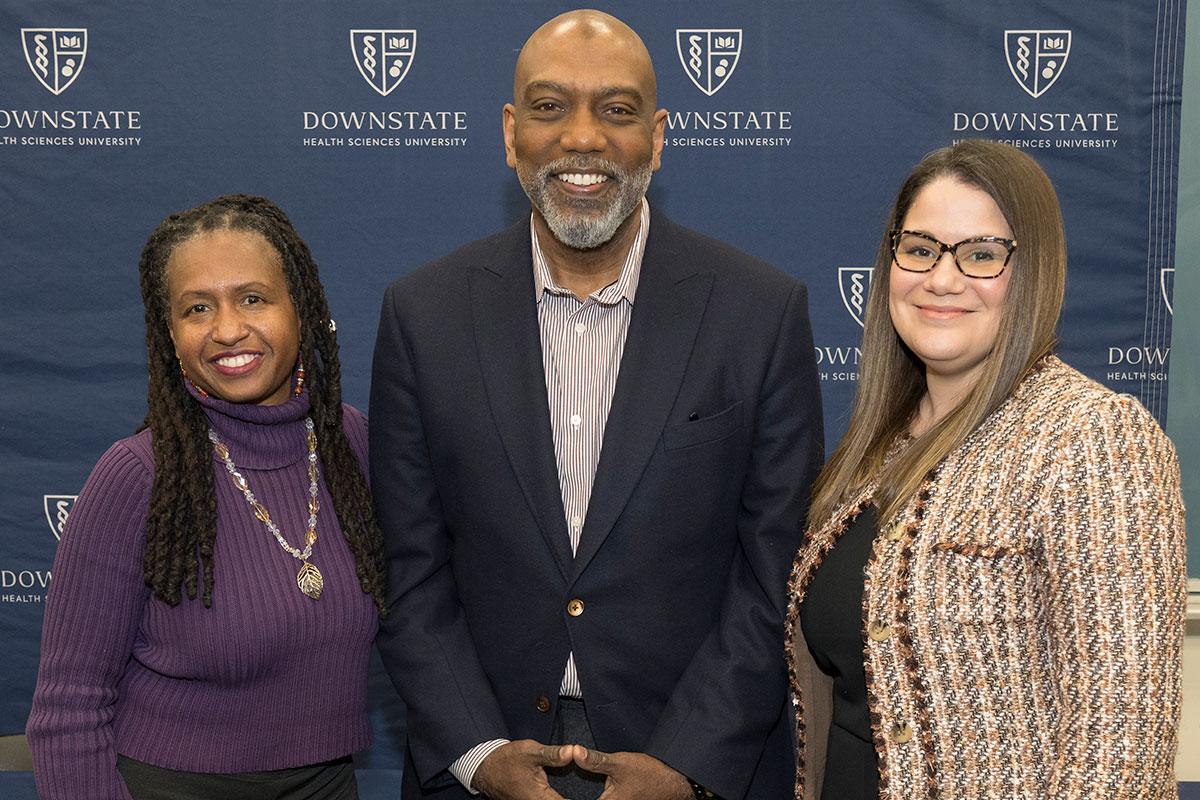
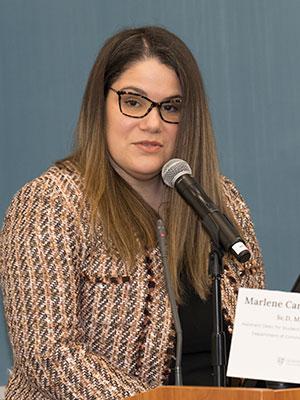
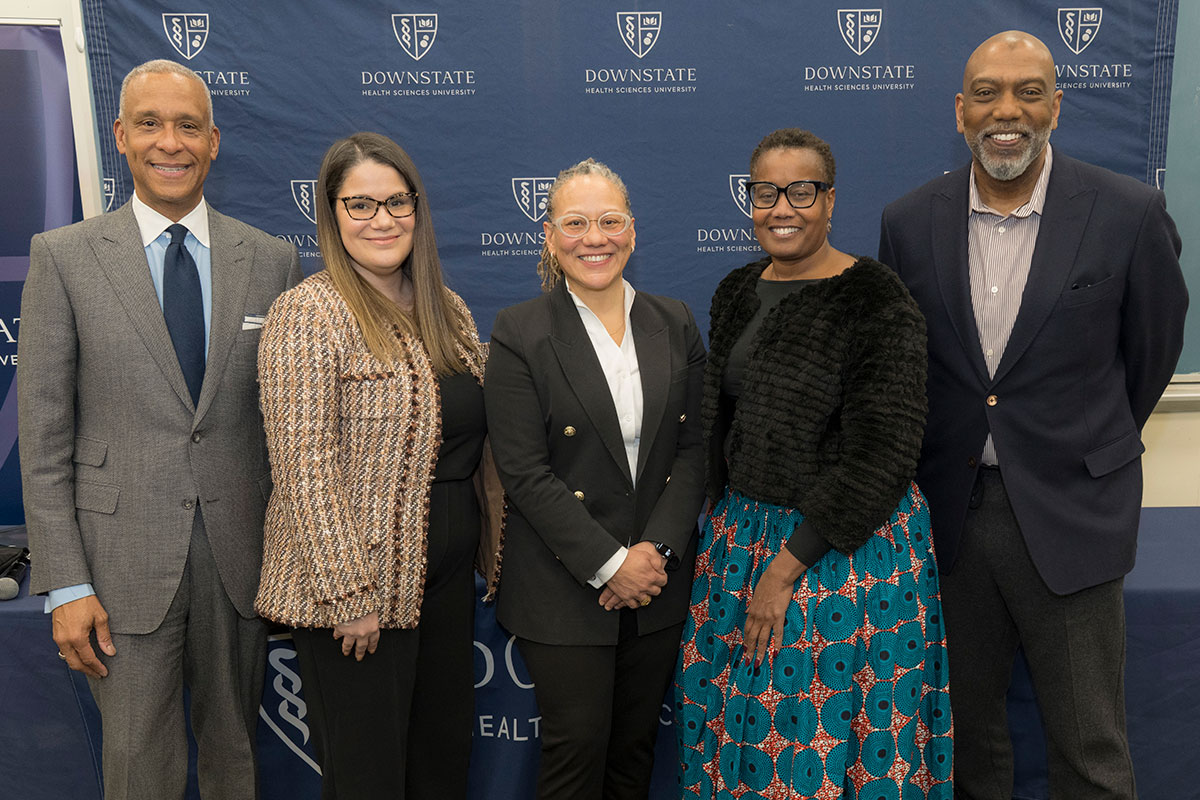
Marlene Camacho-Rivera, Sc.D., M.S., MPH, Assistant Dean for Student Affairs and Assistant Professor delivered opening remarks, which set a powerful foundation for the discussion. She reminded us that health inequities are not accidental or random. They are structured, predictable, and preventable. Drawing on both public health research and lived experience, she emphasized that disparities in chronic disease, life expectancy, and premature mortality are the downstream consequences of policy decisions and systemic disinvestment over time. Dr. Camacho-Rivera’s focus on the social determinants of health underscored a critical point: inequity is present long before a patient ever enters a clinic or hospital.
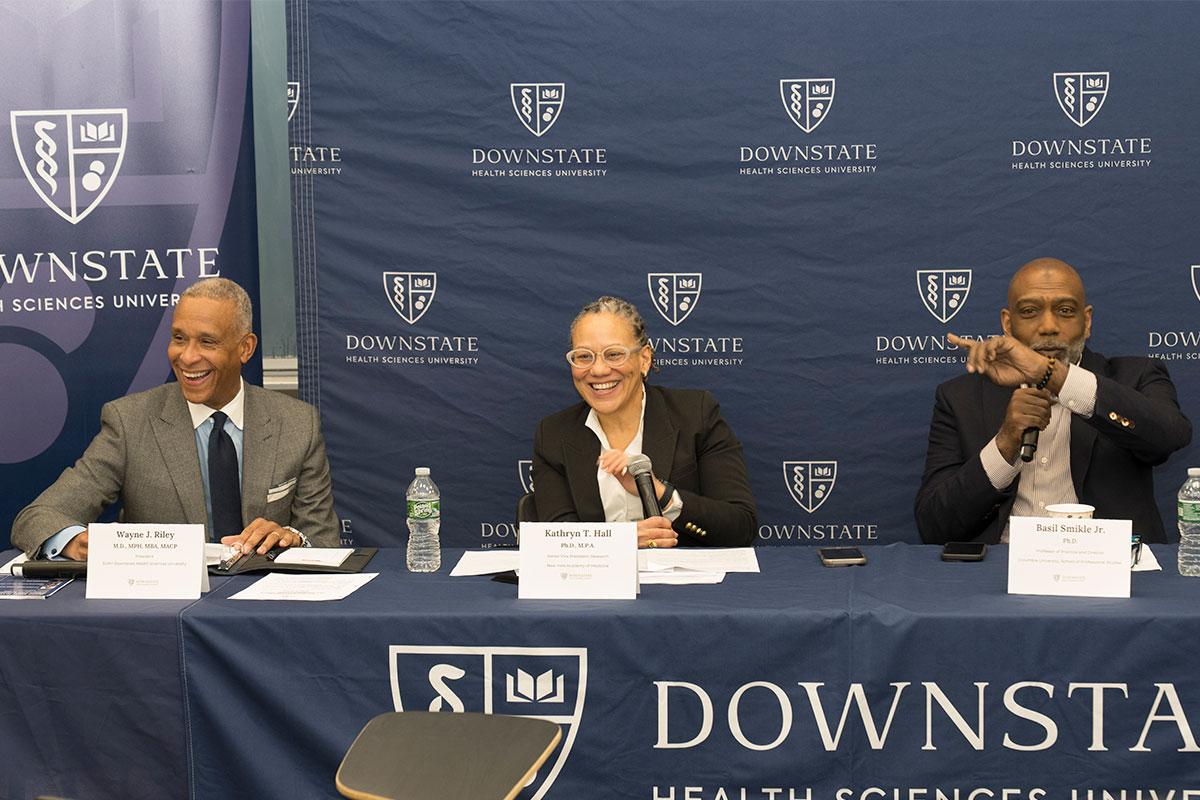
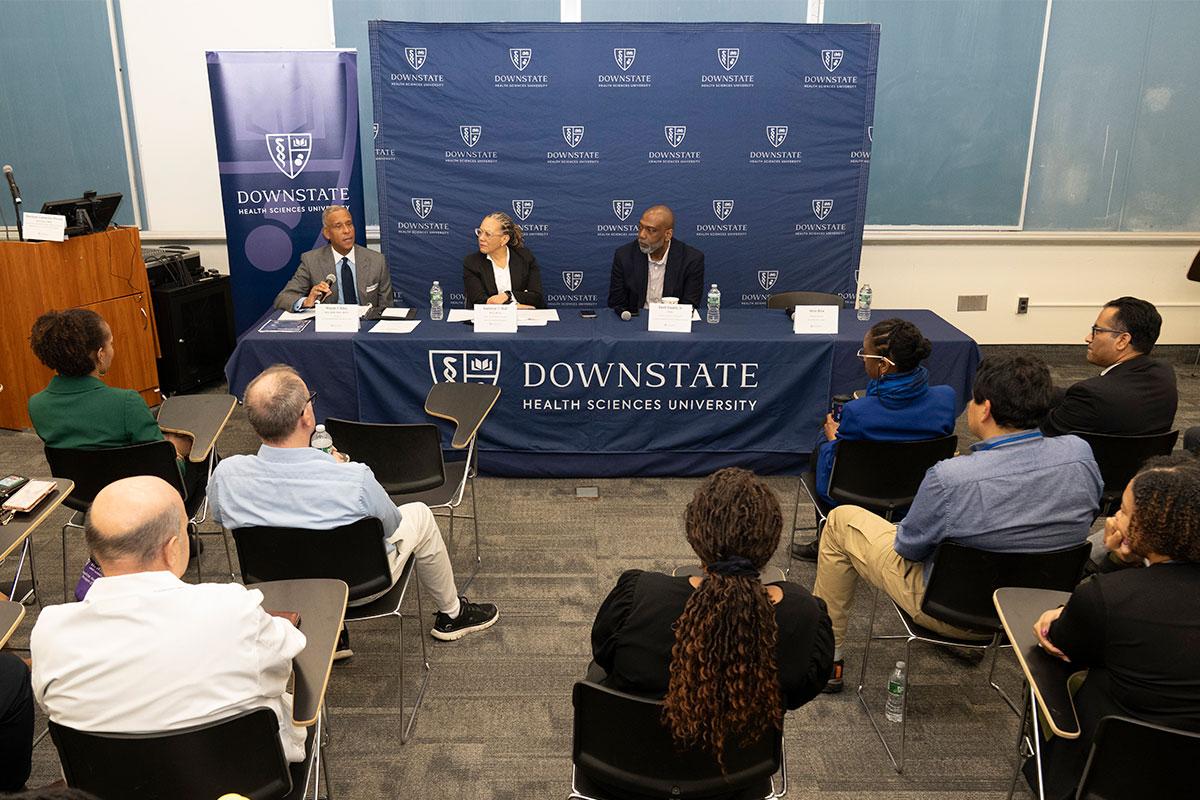
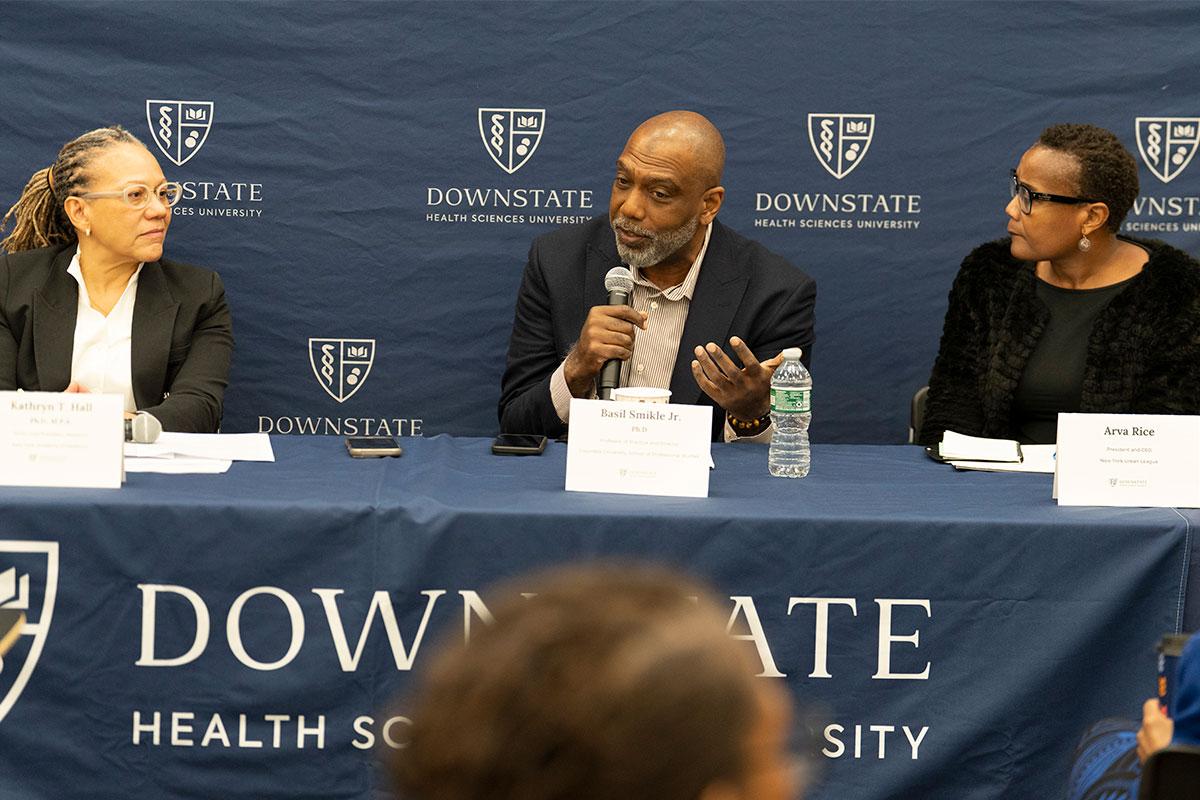
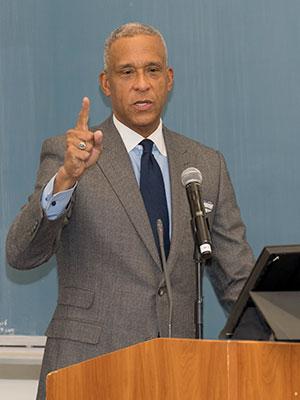
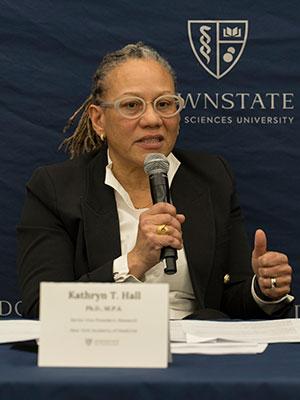
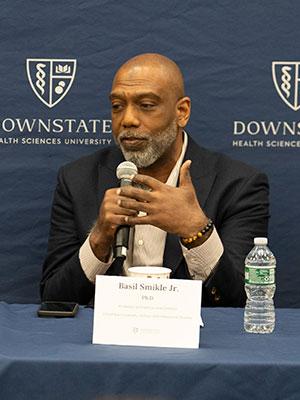
I was honored to moderate a thoughtful and candid discussion with Kathryn T. Hall, Ph.D., MPH, Senior Vice President of Research at the New York Academy of Medicine, and Basil Smikle Jr., Ph.D., Professor of Practice & Director of the Nonprofit Management Program.
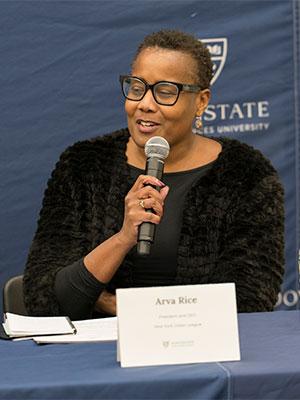
In the School of Professional Studies at Columbia University, and an MS NOW (formerly MSNBC) Political Analyst who regularly shares his insights on national media outlets, and Arva Rice, President and CEO of the New York Urban League. Together, we examined how policy, civic engagement, and political power profoundly shape health outcomes. From Medicaid access and workforce pipelines to environmental exposure and educational opportunity, the panel made clear that health equity cannot be separated from civic participation and public policy.
Throughout the conversation, we returned to the role of research and its limits. As Dr. Camacho-Rivera stressed several times, “Research alone does not reduce disparities.” Evidence must be translated into action, and action must be guided by accountability and transparency. As an academic medical center, and particularly as a public-serving institution, Downstate has a responsibility not only to generate knowledge but also to apply it in ways that reduce inequities rather than reinforce them.
Institutional responsibility was a central part of the conversation. Institutions like ours are not neutral actors in the production of health. Our priorities, investments, and partnerships shape the conditions that determine who thrives and who bears the burden of preventable illness. Moving beyond performative commitments requires sustained engagement with communities, representative workforces, and policies aligned with measurable outcomes.
Advocacy and civic engagement also emerged as essential components of our mission. Preparing future health professionals means equipping them to understand social and political determinants of health, engage with communities, and advocate for policies that promote equity. Civic participation is not peripheral to health; it is foundational to it.
When asked what moral courage looks like for healthcare leaders today, the answer was simple: ACTION! Dr. King believed injustice was not inevitable. He thought it was designed and, as such, could be dismantled. His belief challenges all of us to move beyond intention toward sustained, accountable progress.
This year’s event reaffirmed why Downstate exists and who we serve. Honoring Dr. King’s legacy requires more than reflection. It requires leadership that confronts policy, embraces advocacy, centers community, and accepts institutional responsibility for advancing health equity as a civil rights obligation.
A Martin Luther King Jr. Service In Healthcare Justice Conversation