New Study Addresses Diversity Gaps in Genetic Research for Understanding Schizophrenia
By Office of the President | Feb 3, 2026
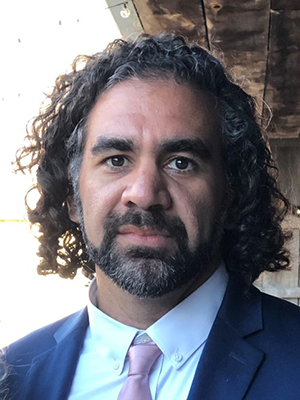
Tim B. Bigdeli, Ph.D.
I am proud to share a significant milestone for Downstate on the recent publication of a Nature article that advances understanding of schizophrenia through inclusive, collaborative research.
The study, “Biological insights into schizophrenia from ancestrally diverse populations,” was co-led by Tim B. Bigdeli, Ph.D., Assistant Professor in the Department of Psychiatry and Behavioral Sciences, Acting Director of the Institute for Genomics in Health (IGH), and a Research Scientist at the New York/Brooklyn VA, and Panos Roussos, M.D., Ph.D., Professor of Psychiatry and Genetics at the Icahn School of Medicine at Mount Sinai, and Director of the Center for Precision Medicine and Translational Therapeutics at the Bronx VA. The research represents a major collaboration among the VA Million Veteran Program (MVP), Downstate, Mount Sinai, and a multi-disciplinary consortium of investigators.
For decades, large-scale genomics research has focused primarily on individuals of European ancestry, limiting scientific insight and the applicability of findings across populations. Individuals who identify as Black or African American in the United States, in particular, have been significantly underrepresented, leaving critical gaps in knowledge and equity.
This study directly addresses those gaps.
By combining genetic data from people of African, European, and East Asian backgrounds, researchers were able to study schizophrenia in a more complete way than ever before. This broader approach led to the discovery of more than 100 genetic regions linked to schizophrenia, some of which had been missed in earlier studies because those studies did not include enough diverse participants.
The researchers also used advanced laboratory methods to trace genetic risk signals to specific genes and the types of brain cells they affect, enabling a deeper understanding of how genetic differences may influence brain function in schizophrenia. The team found that, while specific signals varied across populations, these signals affect the same key neuronal cell types. These findings highlight that despite disparities in diagnosis, schizophrenia risk is rooted in shared biology.
These findings show why it is so important to include people from many backgrounds in research. Doing so helps scientists develop a more precise understanding of complex disorders. It lays the groundwork for future studies and treatments that can benefit everyone. The researchers also stress that these findings cannot diagnose schizophrenia or predict who will develop it. Genetics is only one part of the picture, along with environmental, social, and cultural factors that also influence mental health.
Downstate is proud to contribute to research that expands scientific knowledge, advances health equity, and reflects our mission to serve diverse communities through excellence in discovery, education, and care.
This work builds on Downstate Psychiatry and IGH’s leadership in advancing inclusive, globally focused research, including genomic studies. That leadership is demonstrated by a symposium Downstate hosted a little more than a year ago for a closely related project, Psychosis in Ancestrally Diverse Settings, an NIMH R01 awarded to Downstate in partnership with the University of Ibadan in Nigeria and the University of the West Indies, St. Augustine in Trinidad.
The complete list of contributing authors is available in the published article.