Why Lung Nodules Are Missed on CT, and How AI May Help
By Office of the President | Oct 6, 2026
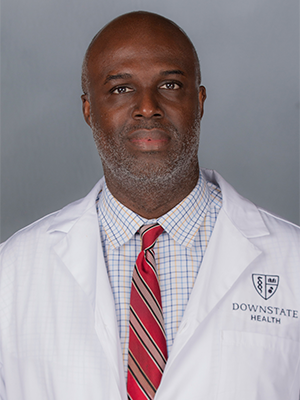 Could artificial intelligence help radiologists catch lung nodules that are easy to
miss on a CT scan? Stephen Waite, M.D., FACR, Professor of Clinical Radiology, leads a new review of that question and the human
and technical factors that make some nodules difficult to detect.
Could artificial intelligence help radiologists catch lung nodules that are easy to
miss on a CT scan? Stephen Waite, M.D., FACR, Professor of Clinical Radiology, leads a new review of that question and the human
and technical factors that make some nodules difficult to detect.
Published in the American Journal of Roentgenology, “Missed Pulmonary Nodules on CT: Determinants and Implications for Radiologic Practice,” examines the quality of the CT image, a nodule’s size and location, and factors such as reader fatigue. Small nodules, faint ground-glass nodules, and those near blood vessels or other complex structures can be especially difficult to spot.
AI and other computer-aided tools offer a second opportunity to flag possible nodules for a radiologist’s attention. The review finds that these tools can improve detection, but they still have limitations. Radiologists need to understand why nodules are missed, assess any findings an AI tool flags, and decide what they mean for the patient. The paper reviews existing research; it does not announce a new AI system at Downstate.
For patients, detecting a nodule creates an opportunity to decide what, if any, follow-up is needed. Many nodules are harmless, but some may be an early sign of lung cancer. Missing a significant nodule can delay the next step in care. For the Brooklyn patients Downstate serves, careful interpretation of a scan is part of making sure a concerning finding reaches the care team and receives timely attention.
Co-author Shawn Lyo, M.D., trained as a radiology resident at Downstate under Dr. Waite and has continued to collaborate with him on research. Together, they are examining a challenge that radiologists face every day and what it could take to address it.
Tags: Radiology