Shout Outs
By Office of the President | Apr 14, 2026
Stay the Course on Health Equity Leadership
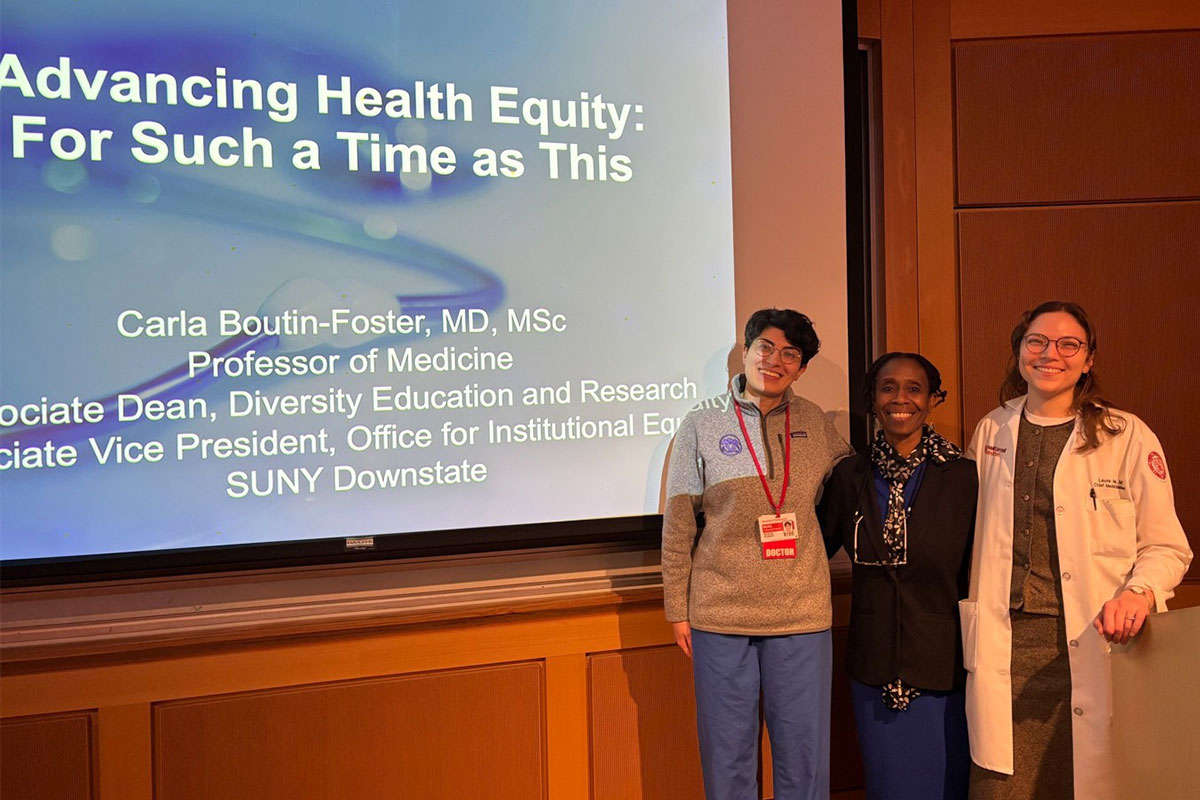
Carla Boutin-Foster, M.D., MSc, Associate Dean for the Office of Diversity Education and Research and Associate Vice President for Institutional Equity, delivered the featured address at the Dr. Louis Wade Sullivan Diversity Department of Medicine Lectureship, a named forum focused on advancing diversity and health equity.
In her talk, “Advancing Health Equity For Such a Time as This,” Dr. Boutin-Foster called on academic leaders to remain steady and continue advancing the work despite current challenges, including shifting policy landscapes, constrained funding, workforce shortages, and persistent gaps in access and outcomes.
The lectureship honors Louis Wade Sullivan, M.D., founding dean of the Morehouse School of Medicine and former U.S. Secretary of Health and Human Services under President George H.W. Bush, and the first African American resident at NewYork-Presbyterian Hospital/Weill Cornell Medicine. In 2003, Dr. Sullivan established the Sullivan Commission to address the urgent need for greater diversity in the health professions, issuing a landmark report outlining strategies to strengthen the pipeline of underrepresented students and improve cultural competence across the healthcare workforce. He now serves as Chairman of the Sullivan Alliance to Transform the Health Professions, advancing this work through partnerships, research, and programs that support a more inclusive and effective healthcare system.
Dr. Sullivan also has a connection to Downstate through his ties to Morehouse School of Medicine, where President Riley previously served. He delivered the keynote at Dr. Riley’s 2017 inauguration as SUNY Downstate’s 17th President.
Turning Equity Into Action in Academic Medicine
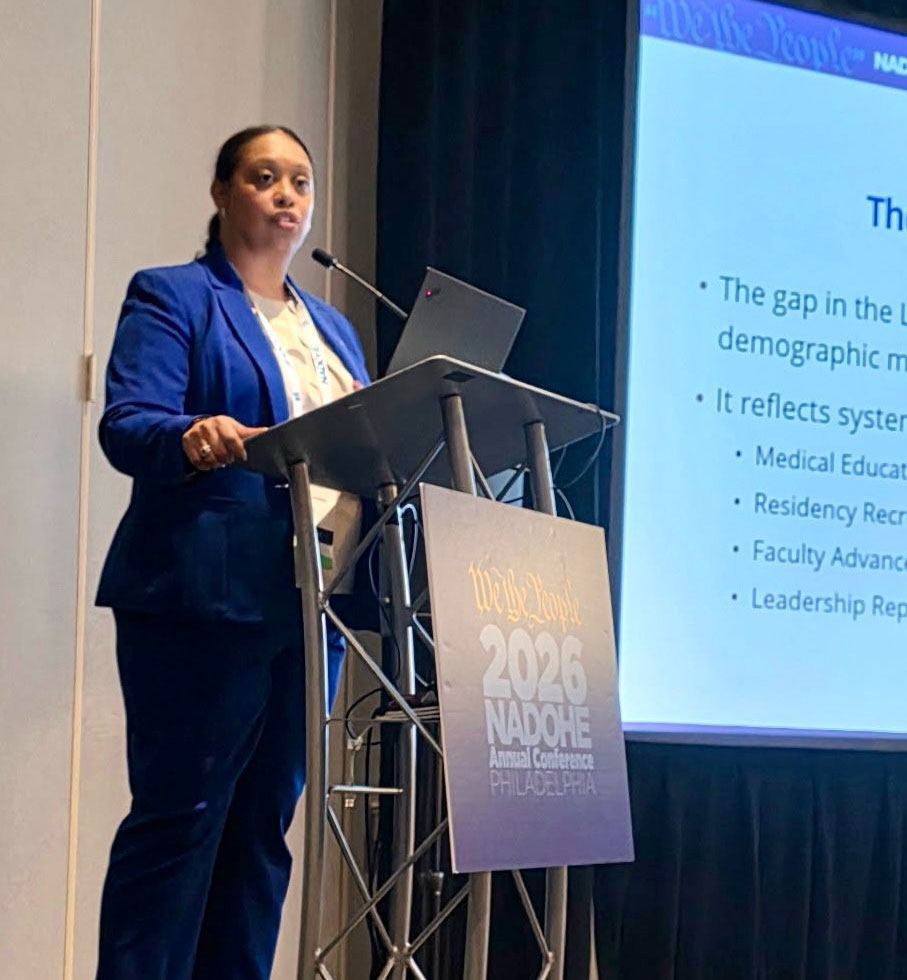 Christina Guillen, M.D., FAAP, Interim Chair and Clinical Associate Professor of Pediatrics, represented SUNY and
Downstate at the annual meeting of the National Association of Diversity Officers
in Higher Education in March.
Christina Guillen, M.D., FAAP, Interim Chair and Clinical Associate Professor of Pediatrics, represented SUNY and
Downstate at the annual meeting of the National Association of Diversity Officers
in Higher Education in March.
The national conference brings together higher education leaders to advance equity-focused strategy, leadership, and institutional accountability. During the meeting, Dr. Guillen’s work was featured in the recently published anthology Not Token Gestures: Practical DEI Strategies in 21st Century Higher Education, edited by Roberta Hurtado, which highlights applied approaches to advancing diversity, equity, and inclusion across academic institutions.
Dr. Guillen’s participation reflects Downstate’s continued engagement in national conversations shaping how institutions translate DEI principles into practice, particularly in academic medicine, where workforce diversity and community trust remain closely connected.
Going for the Gold in Surgical Olympics
 A creative and exciting new initiative in the Department of Surgery is transforming
education into a high-energy, team-based experience that unites residents and faculty
across every level of training.
A creative and exciting new initiative in the Department of Surgery is transforming
education into a high-energy, team-based experience that unites residents and faculty
across every level of training.
Conceived and led by Natasha Becker, M.D., MPH, FACS, General Surgery Residency Program Director, the Surgical Olympics is a residency-wide program that sharpens clinical knowledge, technical skill, and professional development through structured, friendly competition. Residents compete in multi-level teams led by chief residents and supported by faculty, creating a culture of mentorship, collaboration, and shared accountability.
Each week, teams earn points through participation in Grand Rounds, academic quizzes, case presentations, and other scholarly activities. The format reinforces core training habits while injecting excitement and momentum into everyday learning with teams competing for top honors and the distinction of taking home the gold.
Blending rigor with camaraderie, the Surgical Olympics redefines excellence in surgical education, driven by individual performance, teamwork, consistency, and a shared commitment to excellence in practice and performance.
Dedicated Education Units Launch with Ribbon-Cutting Ceremony
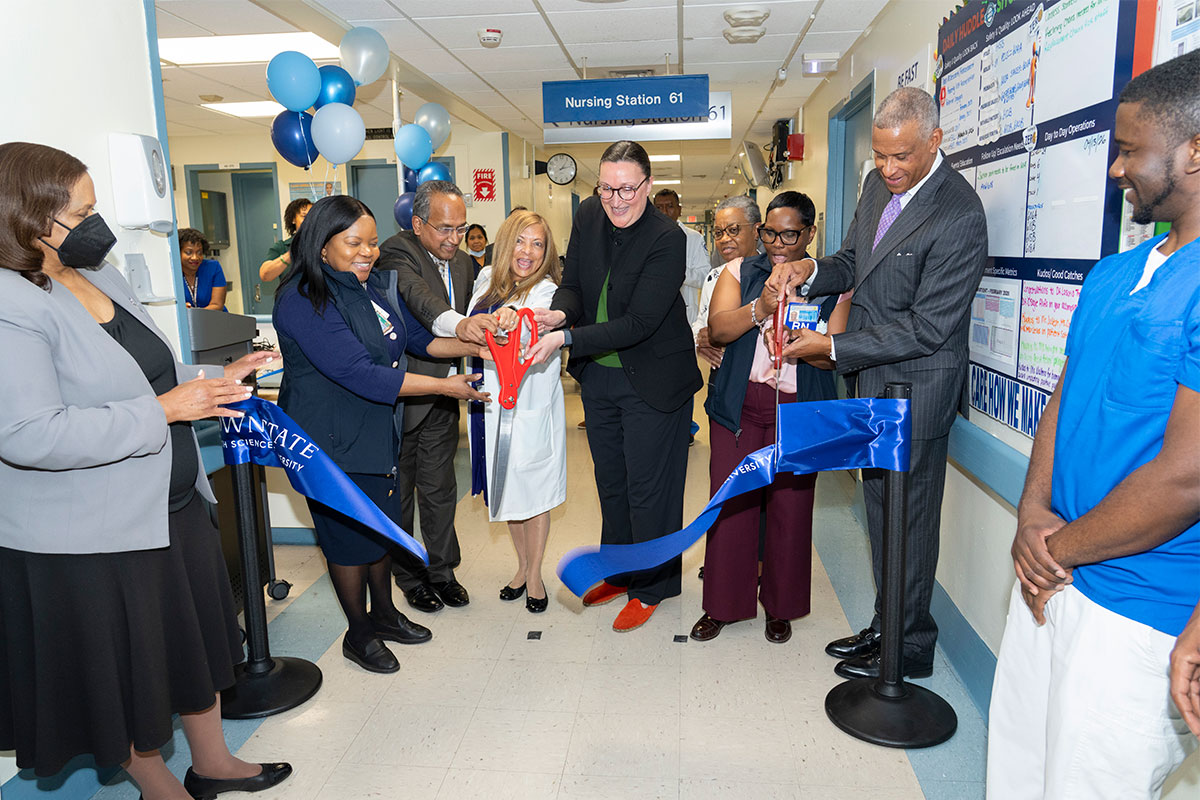
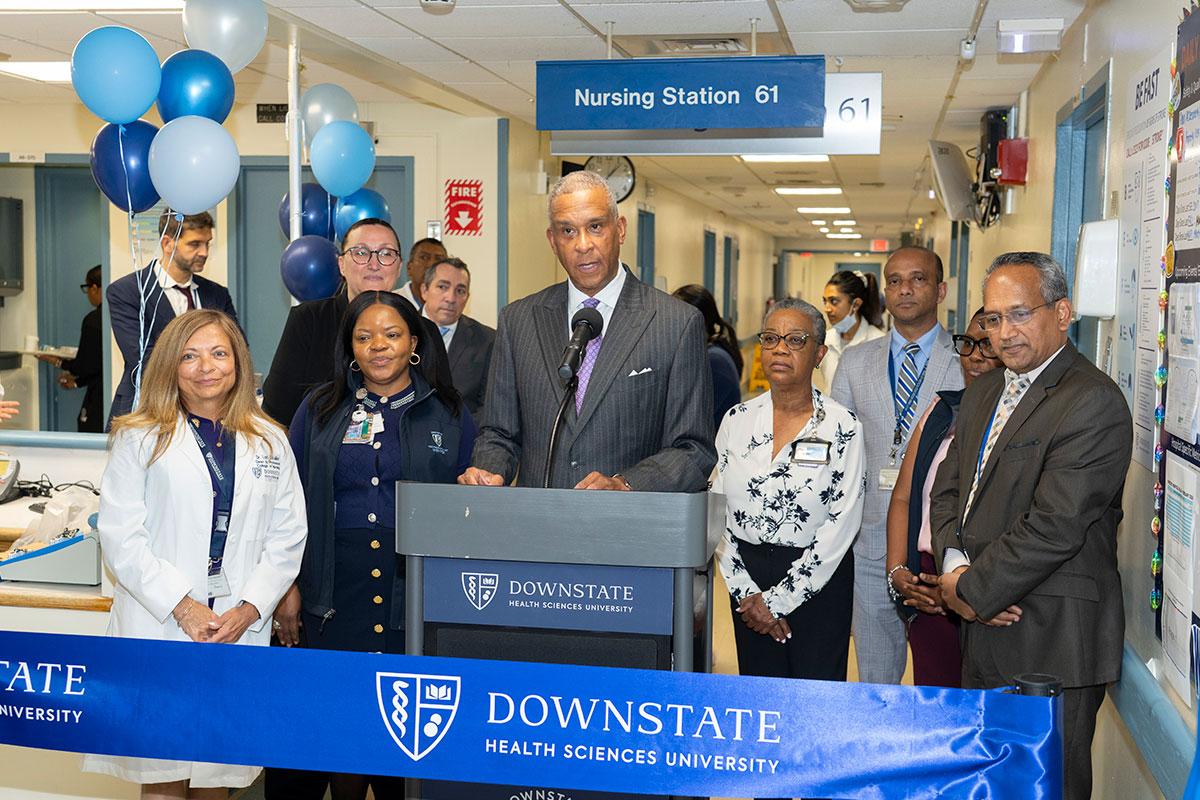
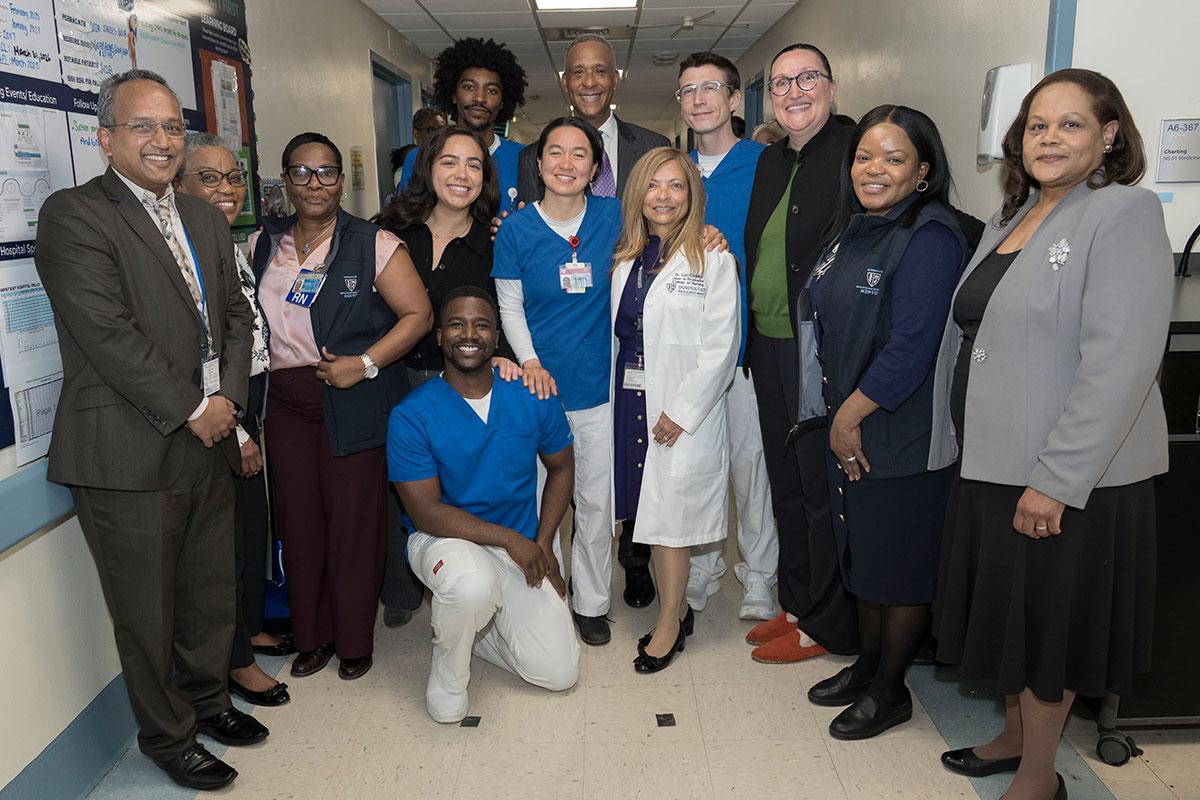
Downstate marked the launch of its Dedicated Education Units with a ribbon-cutting ceremony at Nursing Stations 61 and 71, bringing together leadership, faculty, and clinical teams to recognize a significant step forward in nursing education and workforce development.
This initiative aligns the College of Nursing and University Hospital at Downstate in creating structured, real-world learning environments that integrate education directly into patient care while expanding clinical training capacity.
The Dedicated Education Unit model strengthens mentorship, supports hands-on clinical learning, and creates a more seamless transition from classroom to practice—an approach that directly addresses the growing demand for nurses and the need to expand training opportunities.
The ceremony also recognized the leadership behind the effort, including Lori Escallier, PhD, RN, CNE, FAAN, Dean of the College of Nursing; Marie-Claire Roberts, Ph.D., MS, MPA, RN, Executive Vice Dean and Associate Professor, College of Nursing; Cheryl Rolston, DNP, MA, RN, NE-BC, Chief Nursing Officer, and nurse leaders Sherly Bristol and Maxine Trowers, whose work on the units helped bring the model to life.
By aligning education, workforce development, and clinical practice, the DEU model delivers practice-ready nurses from day one, strengthening both workforce readiness and care delivery.

Well-Being at Work: EAP in Action Across Our Campus
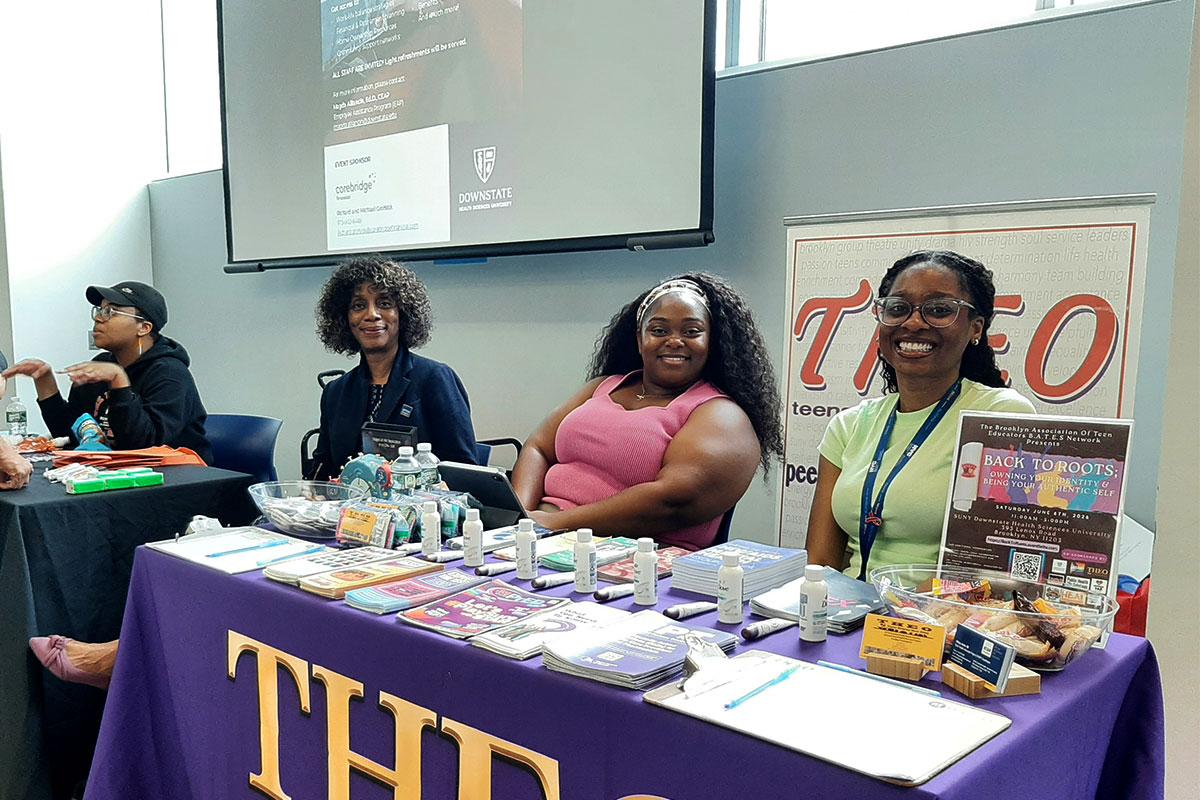
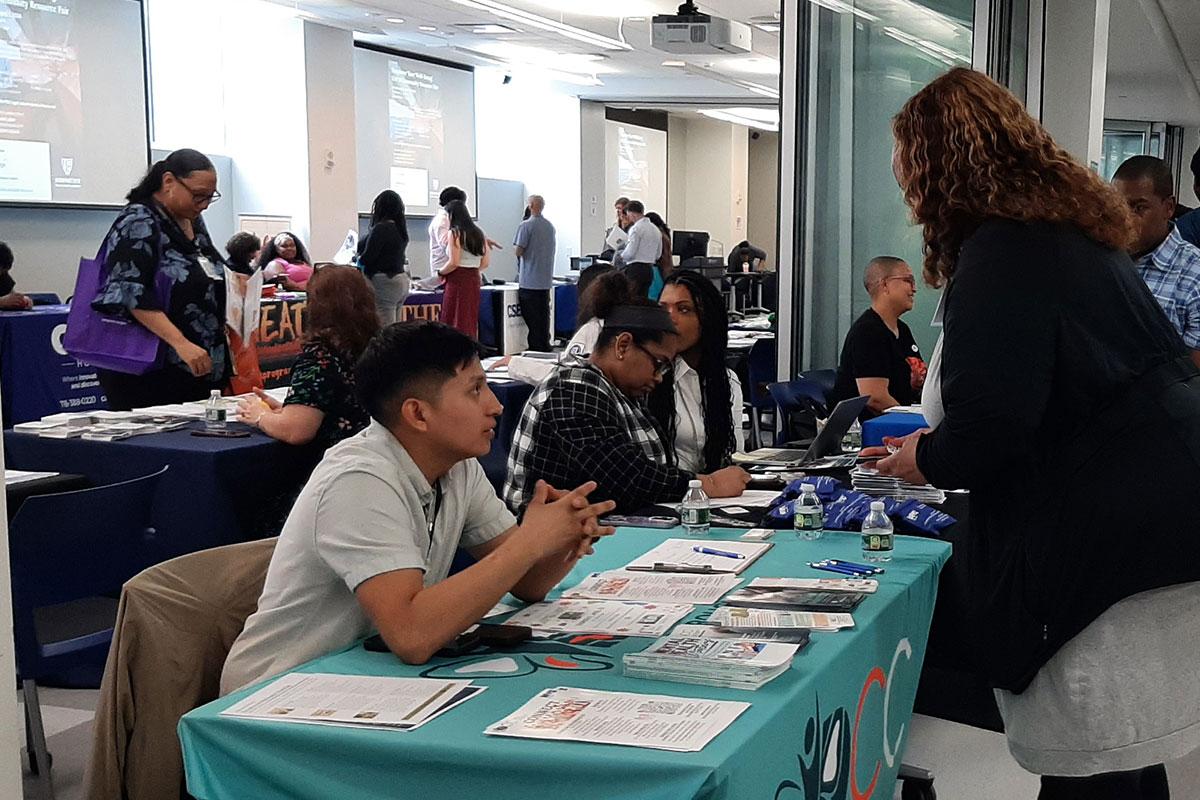
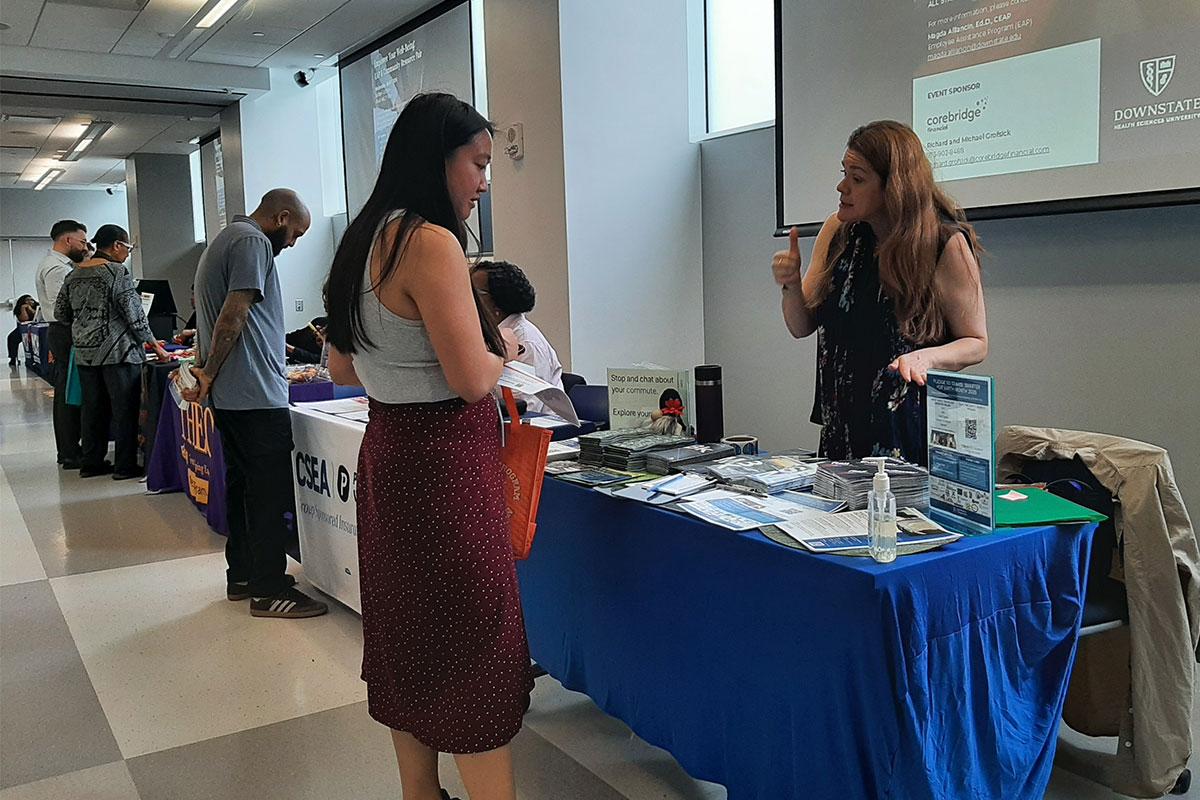
At our recent EAP Fair, the Downstate Employee Assistance Program (EAP) Committee brought our community together for the “Empower Your Well-Being: EAP & Community Resource Fair,” creating space for connection, access, and support.
This initiative was led by Magda Alliancin, Ed.D., EAP Manager and NYS EAP Program Manager, in collaboration with the EAP Committee. Her leadership ensured that employees could engage directly with resources designed to address real-life needs across work and home life.
The event connected employees with community partners and services that support mental health, caregiving, financial stability, and work-life balance.
Throughout the fair, employees engaged with vendors, asked thoughtful questions, and identified resources they can use right away. EAP programs play a central role in the workplace by offering confidential support that helps employees manage stress, navigate personal and professional challenges, and stay focused in their roles. Access to these services strengthens workplace culture, supports retention, and reduces absenteeism.
We thank the EAP Committee for its leadership and continued partnership in advancing employee well-being across SUNY Downstate. We also recognize the volunteers whose time and effort made the event possible.
Thank you to our vendors and community partners for sharing their expertise and services. Their participation expanded the network of support available to our employees. EAP remains an essential resource for our workforce, supporting well-being in everyday life at Downstate.
In Recognition of National Public Health Week
Below, we highlight three recent Doctor of Public Health (DrPH) dissertations from SUNY Downstate’s School of Public Health. Together, these projects reflect the breadth of inquiry shaping public health today—from chronic disease and access to care to global screening and prevention—grounded in research that connects directly to the communities we serve.
Chien Ting Chen Earns DrPH in Epidemiology with Breakthrough Research on Stress and Hypertension
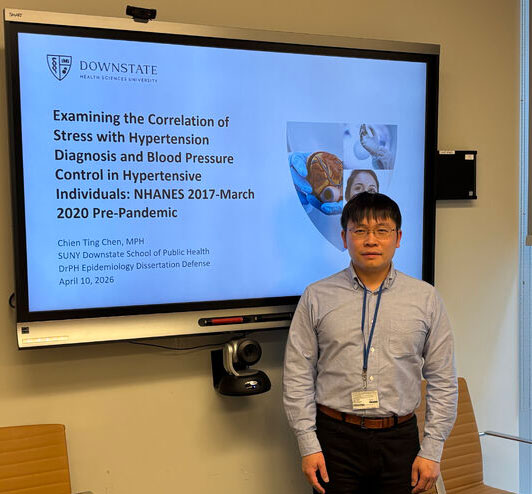 Chien Ting Chen successfully defended his dissertation, Examining the Correlation of Stress with Hypertension Diagnosis and Blood Pressure
Control in Hypertensive Individuals, advancing a new understanding of how cumulative stress shapes cardiovascular health.
Chien Ting Chen successfully defended his dissertation, Examining the Correlation of Stress with Hypertension Diagnosis and Blood Pressure
Control in Hypertensive Individuals, advancing a new understanding of how cumulative stress shapes cardiovascular health.
His research introduced an innovative, data-driven approach to measuring stress using national NHANES data, demonstrating that higher stress levels are associated with increased hypertension prevalence and reduced likelihood of blood pressure control. The work establishes a scalable framework for examining stress-related disparities across chronic conditions.
This achievement reflects years of scholarly growth and dedicated mentorship. Appreciation to Elizabeth P. Helzner, Ph.D., MS, Associate Professor and Interim Chair of Epidemiology and Biostatistics; Rose Saint Fleur-Calixte, Ph.D., PStat®; Daniel Ehlke, Ph.D., Associate Professor of Health Policy and Management; and Simone Reynolds, Ph.D., MPH, Assistant Professor of Epidemiology and Biostatistics, for their guidance and support.
Victoria Montero Earns DrPH in Community Health Sciences with Research on Food Insecurity and Diabetes Care
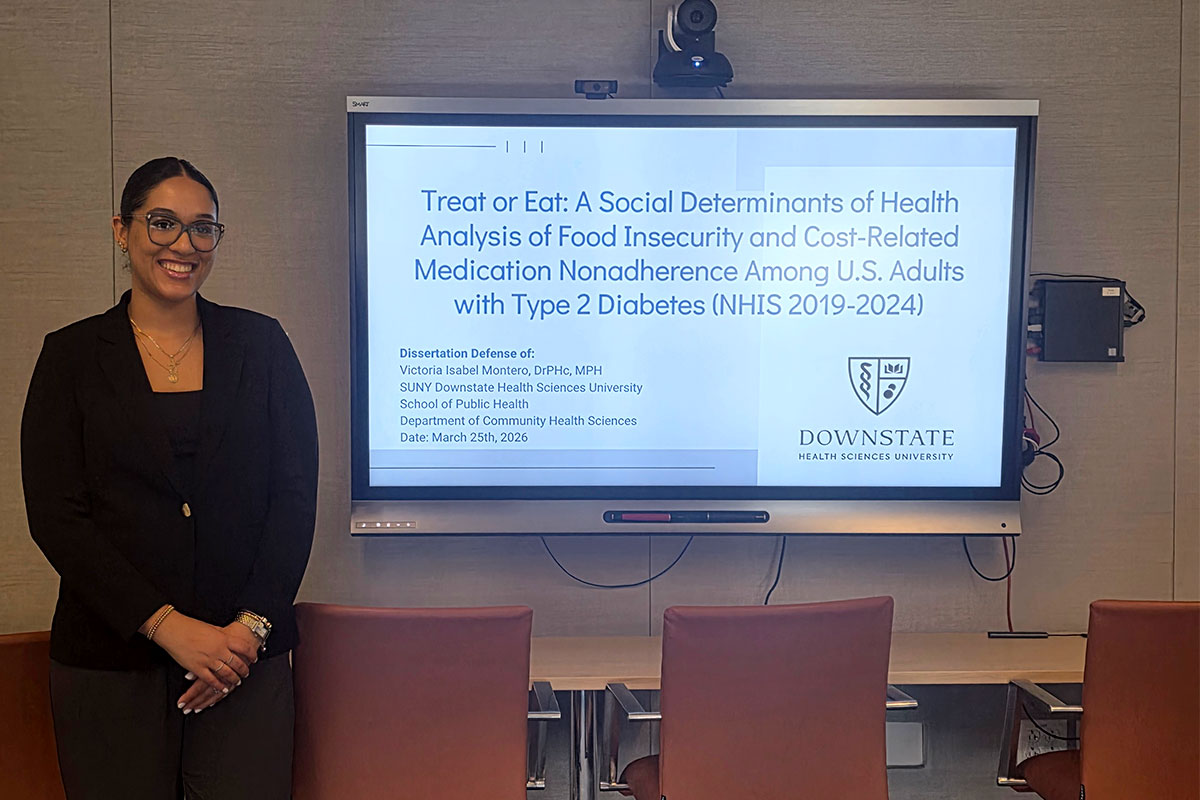 Victoria Montero completed her doctoral research, Treat or Eat, examining the relationship between food insecurity and cost-related medication nonadherence
among adults with Type 2 diabetes.
Victoria Montero completed her doctoral research, Treat or Eat, examining the relationship between food insecurity and cost-related medication nonadherence
among adults with Type 2 diabetes.
Using nationally representative NHIS data, her work demonstrated that food insecurity remains a strong predictor of medication nonadherence across income levels, insurance coverage, and comorbidity burden, highlighting how financial strain continues to shape access to care and chronic disease management.
Dr. Montero’s research emphasizes the need for integrated solutions that address food access, affordability, and continuity of care. This work was advised by Marlene Camacho-Rivera, Sc.D, MS, MPH., Assistant Dean for Student Affairs and Assistant Professor of Community Health Sciences, Rose Saint Fleur-Calixte, Ph.D., PStat®, and Elizabeth P. Helzner, Ph.D., MS, Associate Professor and Interim Chair of Epidemiology and Biostatistics, for their mentorship and leadership.
Nelly Maina Earns DrPH in Epidemiology with Research on HIV status and Cervical Cancer Screening and Treatment Outcomes in Gabon
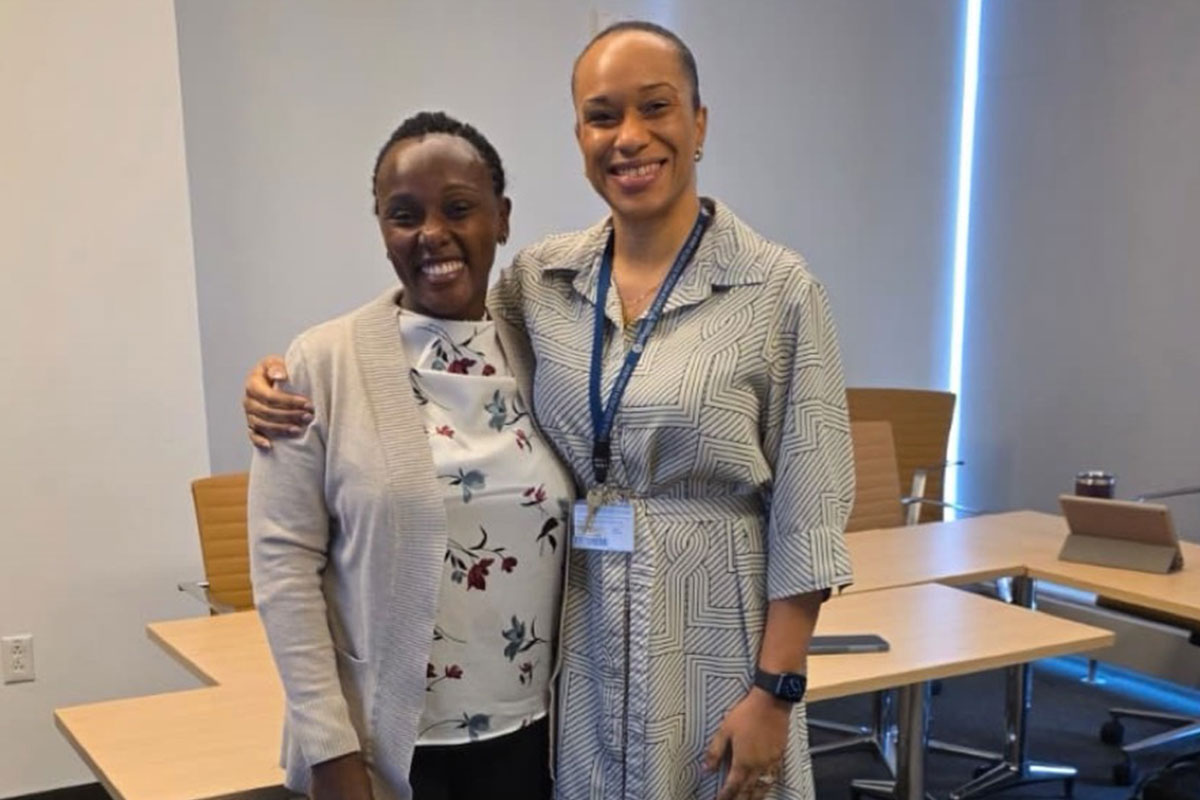 Nelly Maina successfully defended her doctoral dissertation, Assessing Associations Between HIV Status and Cervical Cancer Screening and Treatment
Outcomes Among Women in Gabon.
Nelly Maina successfully defended her doctoral dissertation, Assessing Associations Between HIV Status and Cervical Cancer Screening and Treatment
Outcomes Among Women in Gabon.
Using data from the 2019–2021 Gabon Demographic and Health Survey, Dr. Maina applied the Health Belief Model and the Andersen Behavioral Model to examine how individual, interpersonal, and structural factors influence cervical cancer awareness and screening. Her findings showed that while HIV status was associated with greater awareness of screening, it did not translate into higher screening uptake, and overall screening rates remain low. Her research calls for stronger integration of cervical cancer education and screening within HIV testing and care systems in Gabon.
The work was advised by Simone Reynolds, PhD, MPH, Assistant Professor of Epidemiology and Biostatistics, Rose Saint Fleur-Calixte, Ph.D., PStat®, and Howard Minkoff, M.D., FACOG, Distinguished Service Professor, Regional Chair Emeritus of Obstetrics and Gynecology, and former Co-Chair of the Women and Infants Transmission Study (WITS).
Congratulations, Drs. Chen, Montero and Maina!