Cancer Symposium Highlights Prevention and Disparities
By Office of the President | Apr 14, 2026
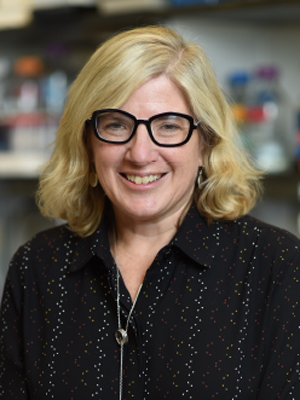
Downstate recently hosted the 11th Annual Cancer Health Promotion Symposium, bringing together students, trainees, physicians, scientists, nurses, and community members for a day of focused discussion on cancer prevention and health disparities.
The Department of Medicine, Division of Gastroenterology, and the Brooklyn Health Promotion Center organized the symposium in partnership with Cold Spring Harbor Laboratory, with support from the Office of the Senior Vice President for Research.
Opening remarks were delivered by Moro O. Salifu, M.D., MPH, MBA, MACP, Professor and Chair of the Department of Medicine; F. Charles Brunicardi, M.D., FACS, Senior Vice President and Dean of the College of Medicine; and David Tuveson, M.D., Ph.D., Director of the Cancer Center at Cold Spring Harbor Laboratory.
The symposium remains the only program in the United States focused on both the biological and social drivers of higher cancer incidence and mortality among African Americans. This focus is especially relevant in Brooklyn and across New York City, where cancer remains a leading cause of death and disparities persist at the neighborhood level. More than 40,000 New Yorkers are diagnosed with cancer each year, and more than 12,000 die from the disease.
In Brooklyn, neighborhoods such as Crown Heights, Bedford-Stuyvesant, Flatbush, and Coney Island continue to experience some of the highest cancer burdens that are often preventable or treatable with early detection. These patterns reflect differences in access to screening and treatment, as well as broader conditions that shape health outcomes.
Mary Beth Terry, Ph.D., Professor of Epidemiology and Environmental Health Sciences at Columbia University Mailman School of Public Health, delivered the keynote address, “Cascade Prevention and Community Action to Reduce the Cancer Burden,” highlighting population-wide and targeted approaches to prevention, as well as community-based strategies to reduce disparities across New York City.
The program featured three sessions. The first addressed precancers and early detection, including screening tools for colorectal, breast, and cervical cancers, as well as emerging blood-based diagnostics. The second focused on cancer risk reduction, with presentations on cancer genetics and modifiable risk factors, including smoking. Each session included panel discussions that encouraged engagement between speakers and attendees. A third session, Flash Science, highlighted trainee research through brief presentations followed by discussion.
A poster session during the lunch period featured additional research from students and trainees, with participation from institutions across the region.
In closing remarks, Dr. Salifu emphasized the importance of continuing the symposium to strengthen collaboration and support future multidisciplinary research aimed at reducing cancer disparities.
11th Annual Cancer Health Promotion Symposium | Session I: Pre-Cancers & Early Detection Screening Tools
11th Annual Cancer Health Promotion Symposium | Session III: Keynote Speaker and Flash Science
Tags: Symposium