Women’s Leadership Requires Access by Design
By Office of the President | Mar 31, 2026
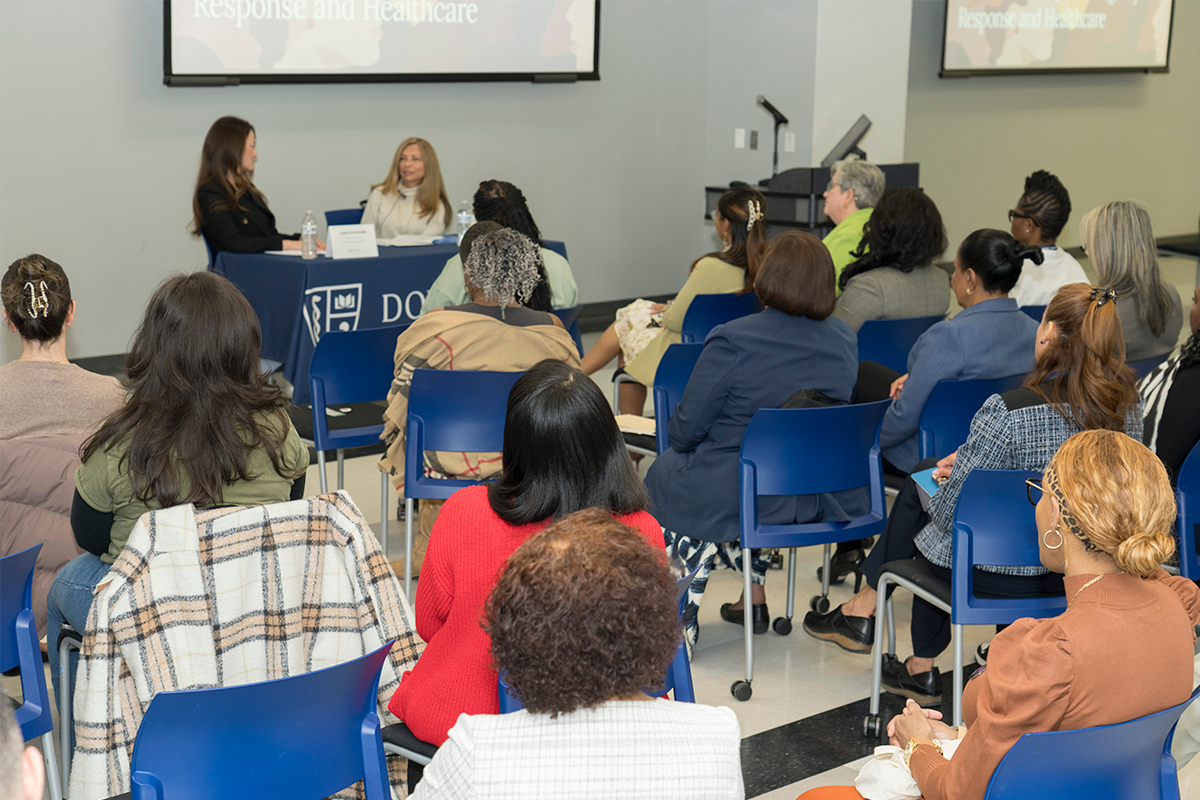
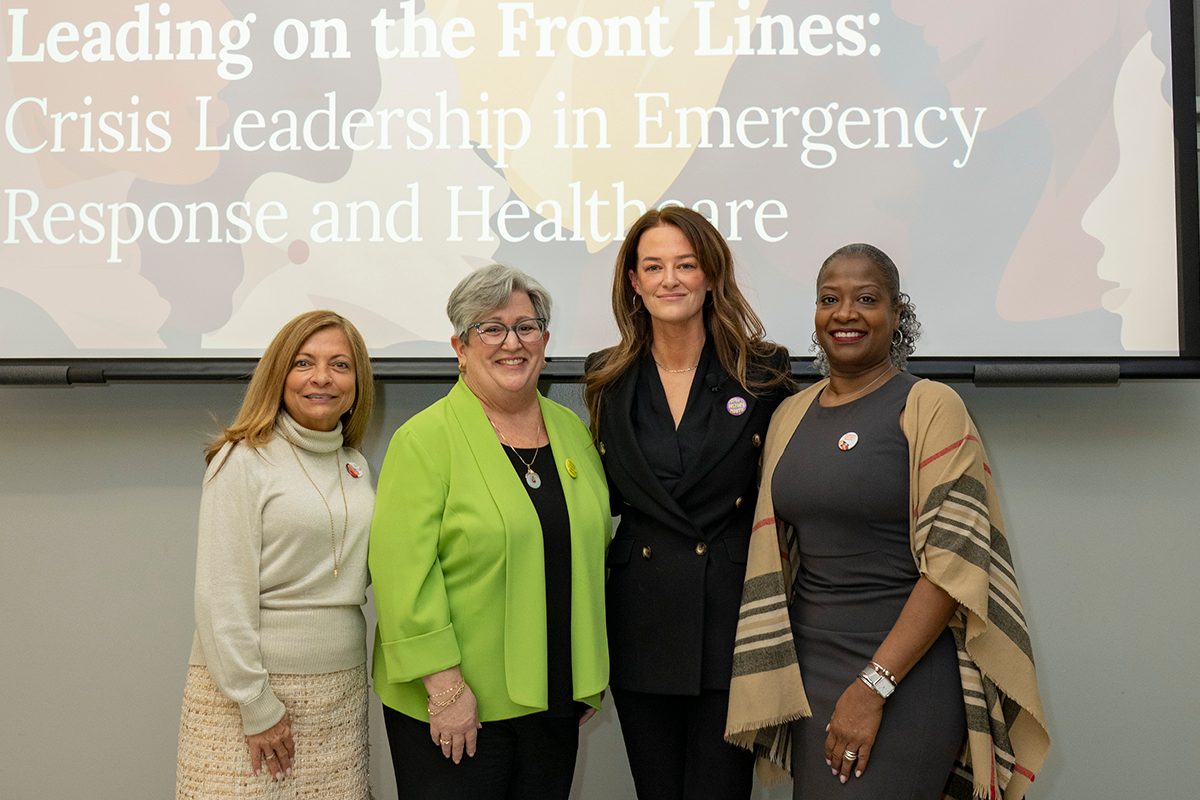
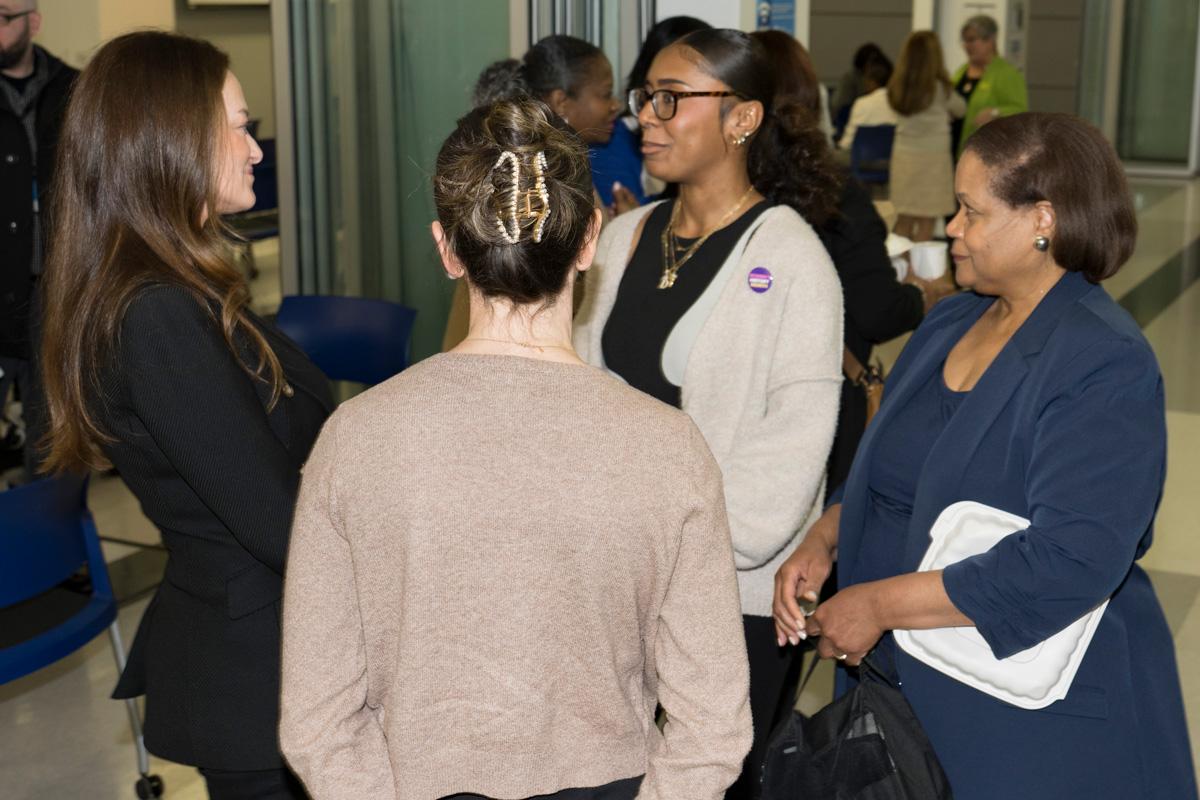
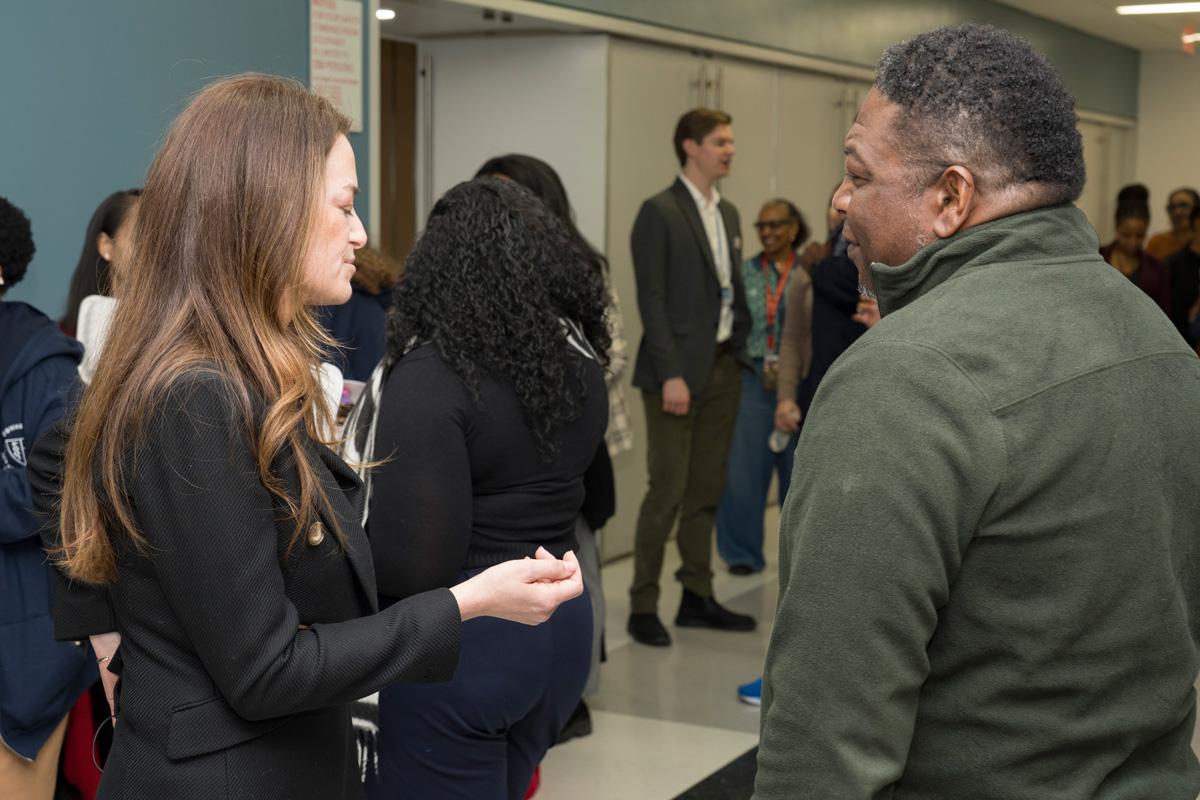
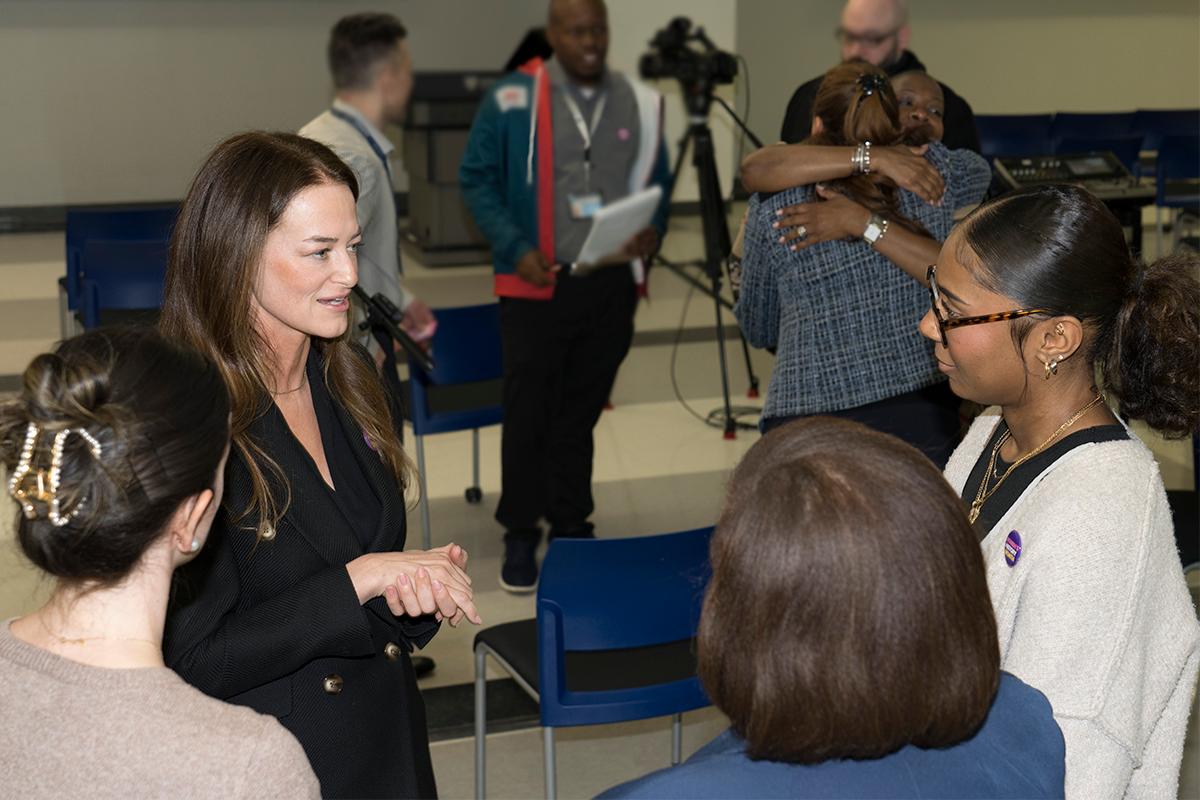
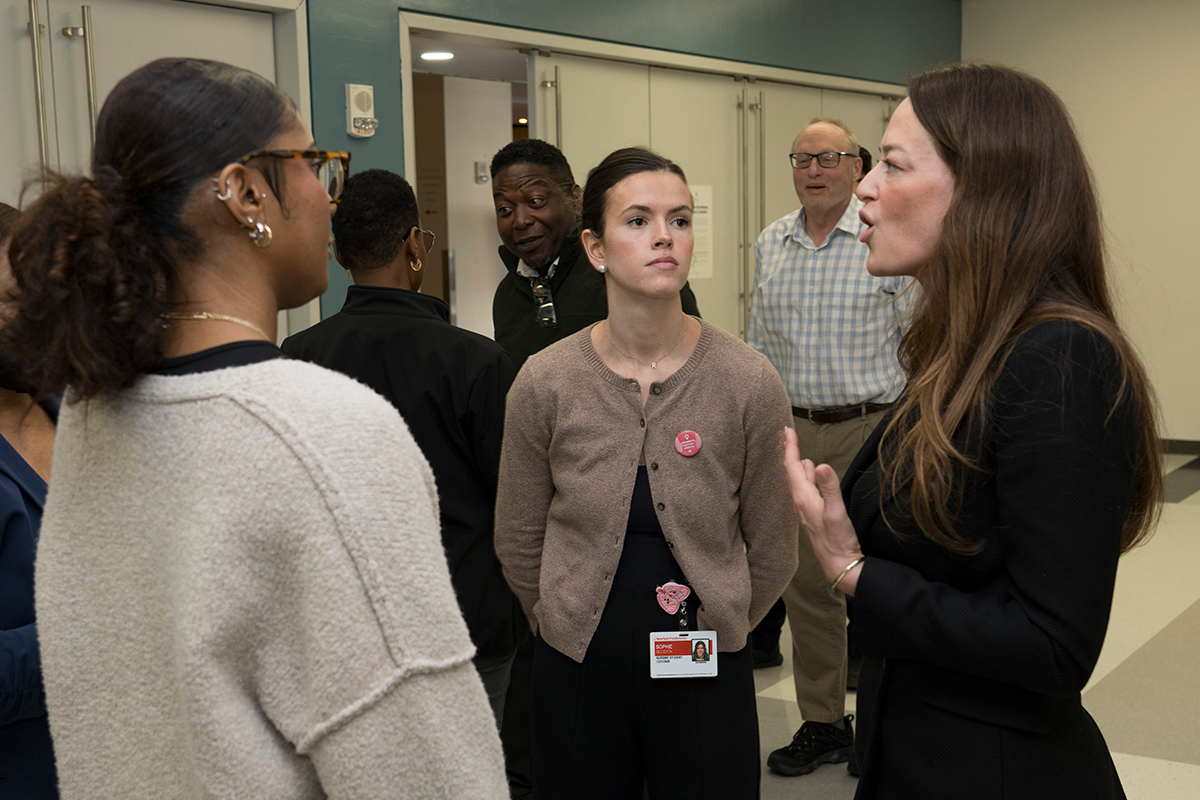
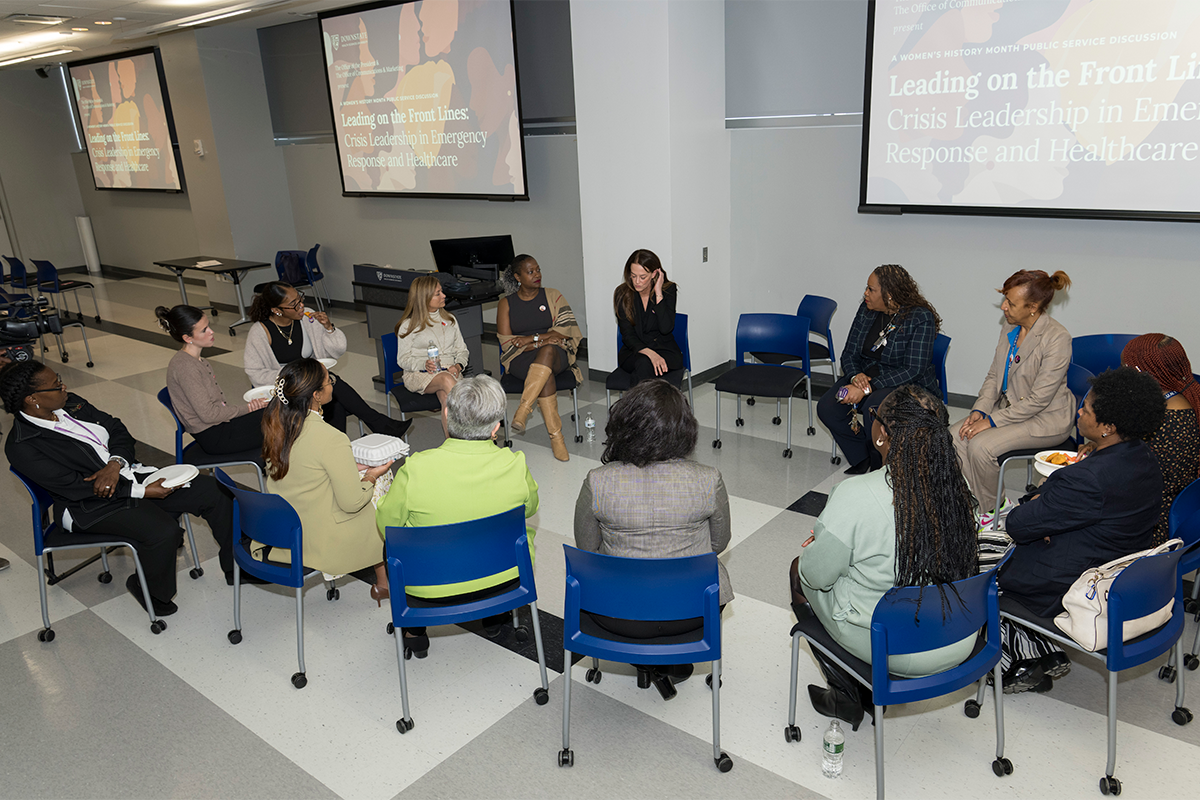
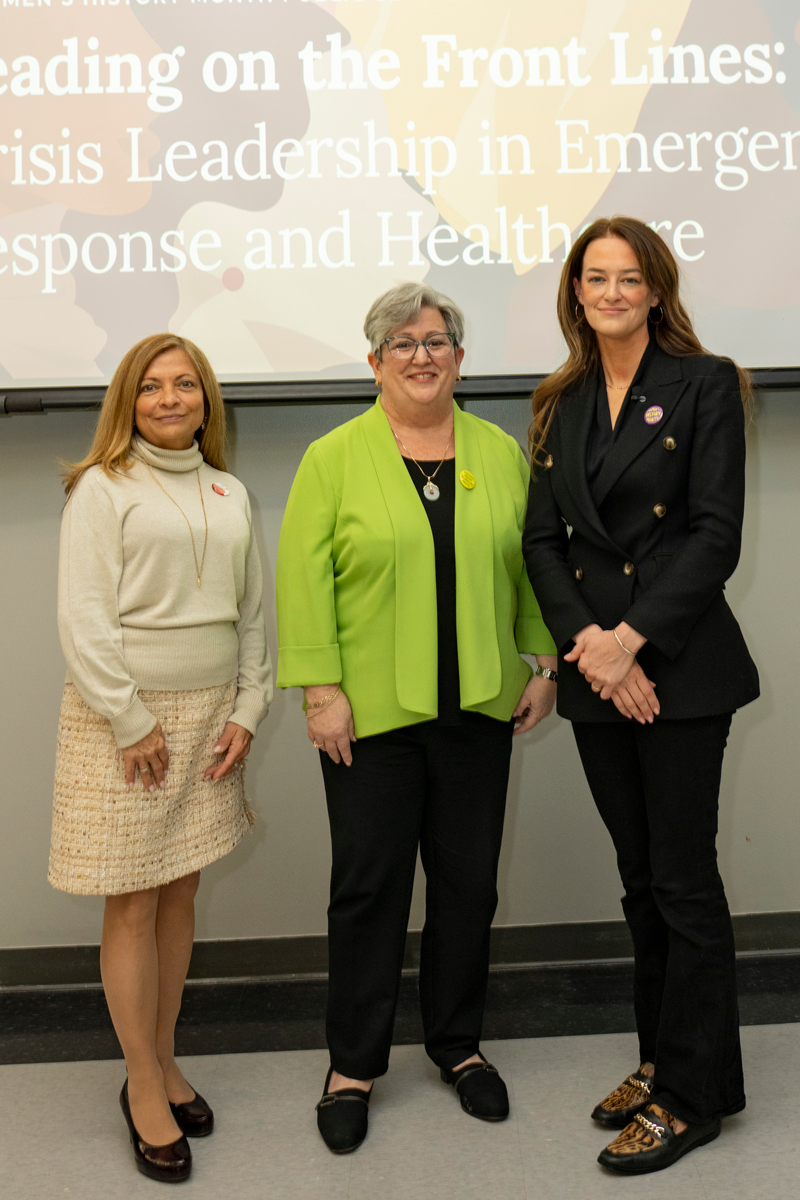 At a moment when crisis leadership defines public trust, Leading on the Front Lines:
Crisis Leadership in Emergency Response and Healthcare brought together leaders for
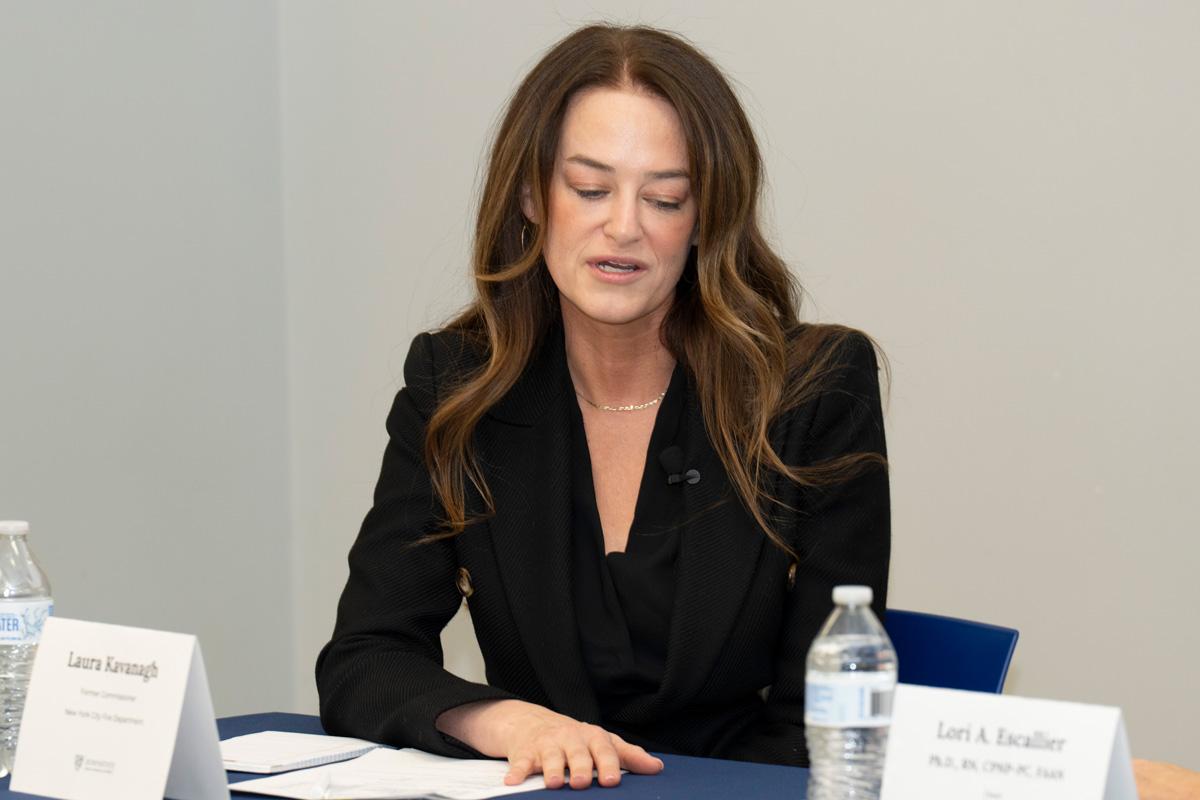
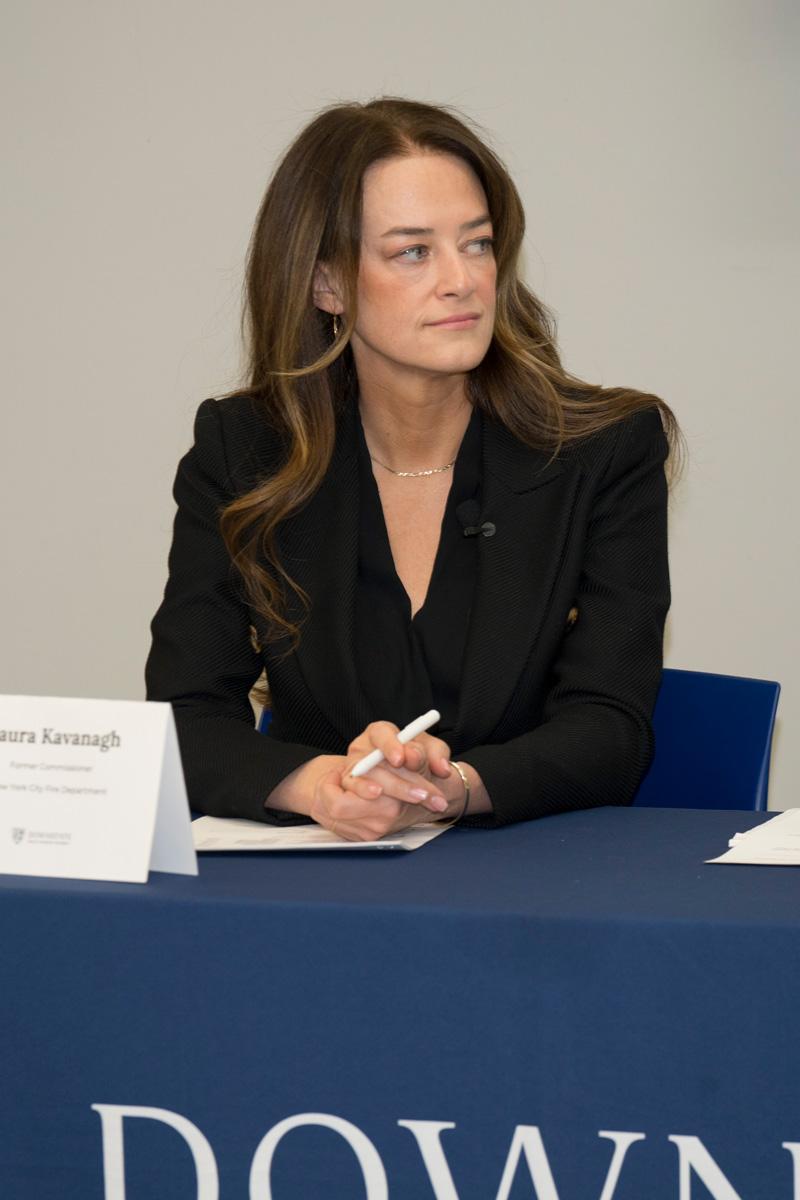
our Women’s History Month signature event, featuring former New York City Fire Commissioner
Laura Kavanagh in a conversation grounded in the realities of service at scale.
At a moment when crisis leadership defines public trust, Leading on the Front Lines:
Crisis Leadership in Emergency Response and Healthcare brought together leaders for
our Women’s History Month signature event, featuring former New York City Fire Commissioner
Laura Kavanagh in a conversation grounded in the realities of service at scale.
Commissioner Kavanagh’s tenure offers a clear example of what it means to lead when systems are tested, and decisions carry immediate consequences. She led one of the largest public safety agencies in the country, overseeing more than 17,000 uniformed and civilian personnel across fire suppression, emergency medical services, disaster response, and preparedness.
Kavanagh made clear that leadership is operational, continuous, and defined by conditions that change in real time. During the COVID-19 pandemic, she and her team faced the possibility of system failure, whether emergency departments could continue to receive patients, whether EMS capacity could hold, and how to make decisions as information evolved by the hour.
Leadership under those conditions required discipline. It demanded constant communication, translating shifting federal guidance into clear direction for the field, ensuring thousands of personnel remained informed, and maintaining operational clarity in a rapidly changing environment.
A central insight from her remarks is that resilience is not improvised in crisis. In healthcare, resilience takes shape in advance through relationships, culture, and trust. The FDNY’s strength during the pandemic was grounded in those connections, enabling teams to endure prolonged stress and continue to perform under extraordinary pressure.
Her experience with labor relations showed what leadership requires in a large, unionized system. She understood roles clearly, avoided letting conflicts become personal, and remained committed to ongoing dialogue. It underscored that leadership involves managing systems and relationships as much as making decisions.
As the first woman to lead the FDNY, Kavanagh also spoke about institutional barriers and the importance of examining systems, and not just individuals, when considering access to leadership. Her presence in that role reinforced that leadership pathways are shaped over time and must be intentionally expanded.
Throughout the conversation, she returned to a central idea: leadership requires optimism grounded in reality and the courage to make difficult decisions in service of long-term institutional strength. That perspective aligns with what we strive to build at Downstate—leaders whose responsibility extends beyond the moment to the future of the systems they serve.
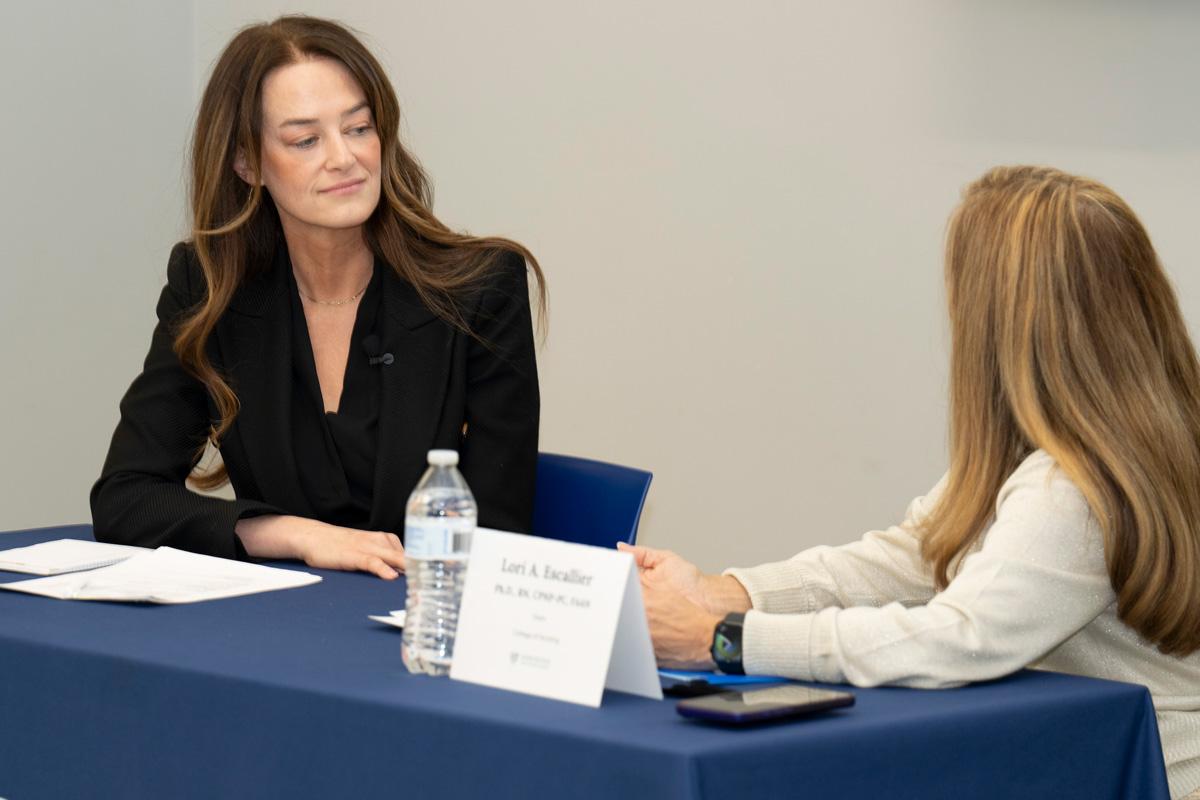
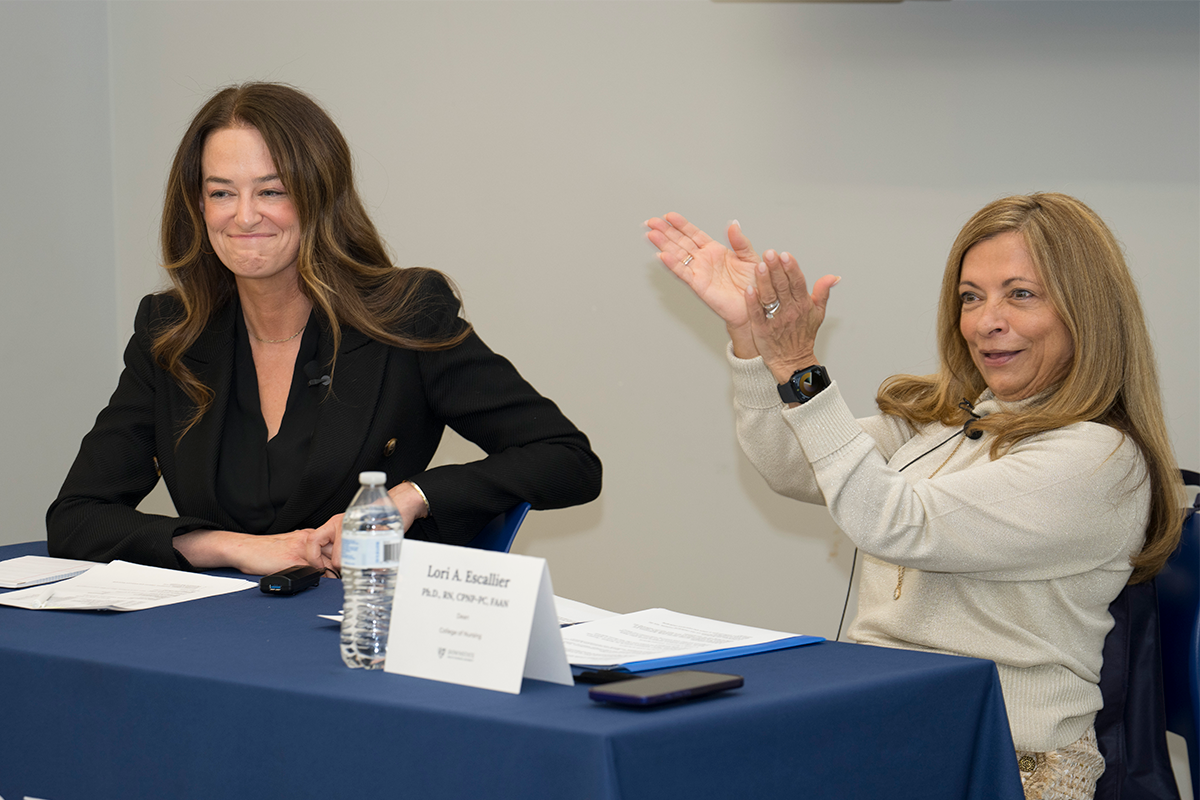
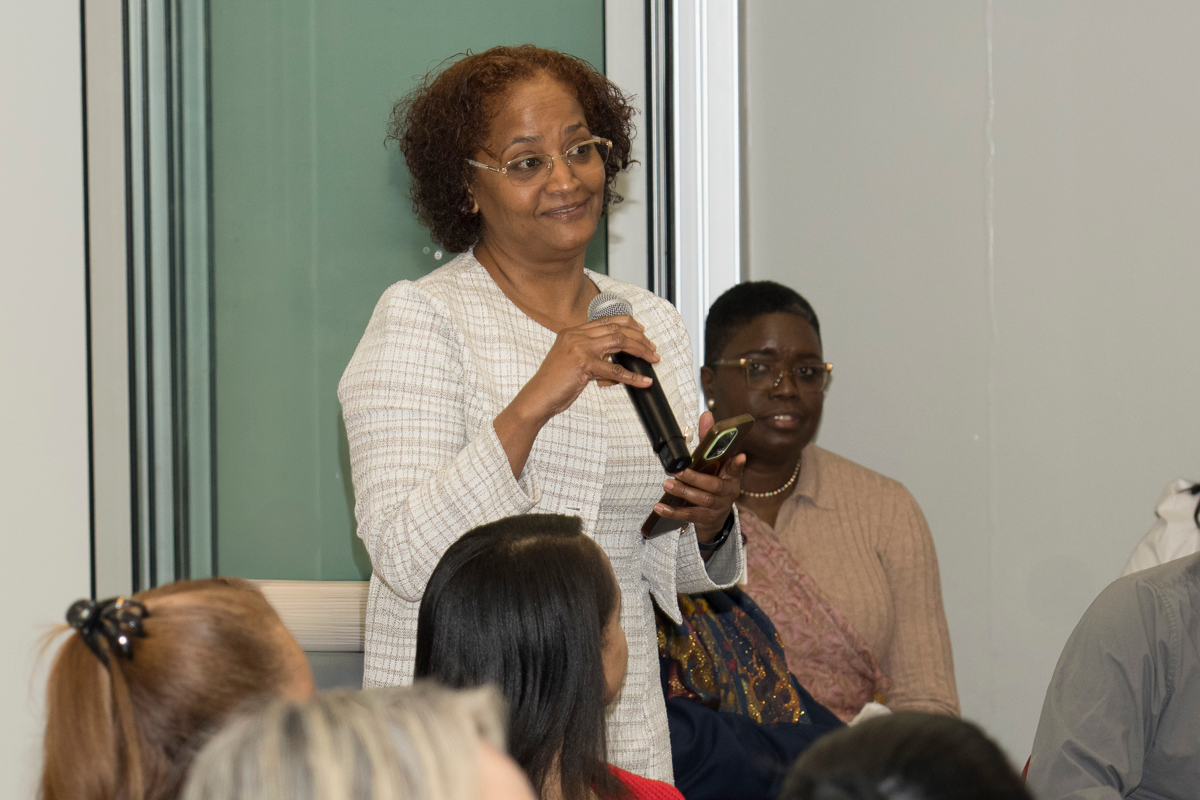
The event created a strong exchange of ideas. Special thanks to Lori Escallier, Ph.D., RN, CPNP-PC, FAAN, Dean of the College of Nursing, for guiding a focused and substantive conversation, and Heidi J. Aronin, MPA, Senior Vice President and Chief Administrative Officer, for introducing Commissioner Kavanagh and delivering remarks and greetings on my behalf.
Tags: Commemorative Months