Technology That Makes Everyday Life More Accessible
By Office of Communications & Marketing | Jul 29, 2026
Assistive technology can make a meaningful difference in a patient’s everyday life. It can help people communicate, move safely, manage medications, complete daily activities, and live more independently.
These tools include mobility and communication devices, adaptive equipment, and digital applications that support people experiencing changes in vision, hearing, memory, thinking, or physical ability. When technology is thoughtfully matched to a patient’s individual needs, preferences, and comfort with digital tools, it can improve safety, confidence, participation in care, and overall quality of life.
 This approach was the focus of a recent presentation at the SUNY Conversations in
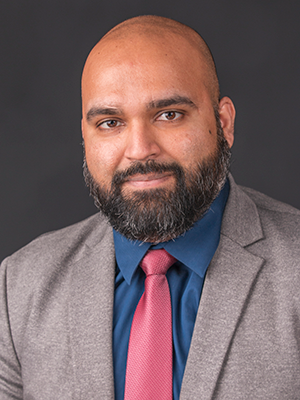
the Disciplines conference at SUNY Upstate Medical University in Syracuse. Vikram Pagpatan, Ed.D., OTR/L, CLA, ATP, BCP, FAOTA, Interim Associate Dean for Strategic Initiatives in Downstate’s School of Health Professions,
presented “Digital Native or Digital Migrant? Why It Matters to Assistive Technology
Practice.”
This approach was the focus of a recent presentation at the SUNY Conversations in
the Disciplines conference at SUNY Upstate Medical University in Syracuse. Vikram Pagpatan, Ed.D., OTR/L, CLA, ATP, BCP, FAOTA, Interim Associate Dean for Strategic Initiatives in Downstate’s School of Health Professions,
presented “Digital Native or Digital Migrant? Why It Matters to Assistive Technology
Practice.”
The presentation underscored that technology can only work when patients can access it, understand it, and feel comfortable using it. Clinicians must understand how comfortable each patient is with technology, have the ability to explain how the technology works, and provide the support they need to use it confidently.
This work also reflects the vision of Brigitte Desport, DPS, OTR/L, BCP, ATP, Interim Dean, School of Health Professions, who has encouraged faculty to share ideas and build partnerships across SUNY. These connections are helping the School of Health Professions find practical ways to bring new technology into the classroom and patient care. These collaborative initiatives reflect Downstate’s commitment to preparing students to use technology to remove barriers, support independence, and make everyday life easier for patients.
View the conference agenda and learn more