Header Logo

Trouble viewing this email? Click here to view it in your browser.

The UHB Update

News from the University Hospital of Brooklyn | April 2021

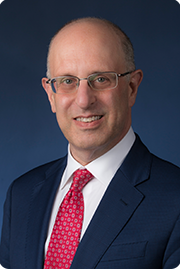
A Message from David H. Berger, MD, MHCM, FACS
CEO of University Hospital of Brooklyn   

dr_david_berger

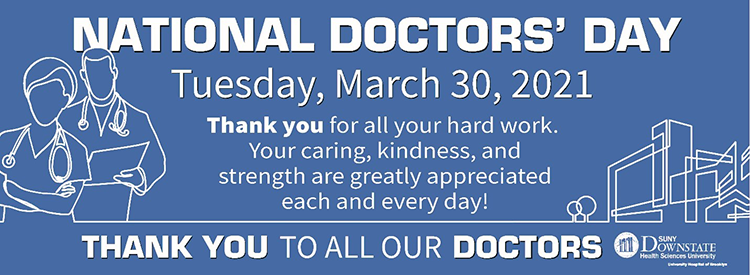
March was a busy month!  Monday, March 8 we celebrated International Women’s Day.  As part of that celebration, I want to acknowledge all the amazing women physicians, nurses, technicians, clerks, food service workers, and other hospital staff.  Your dedication to our community helps to make University Hospital of Brooklyn and Downstate a great place to get care and a great place to give care.  On March 30, we celebrated Doctors’ Day.  I want to thank all the dedicated physicians who provide exceptional patient care at UHB.  I want to especially acknowledge the heroic, passionate care provided by all our physicians throughout the COVID-19 pandemic.

In addition to these important events March 14-20, 2021 marked Patient Safety Week.  UHB celebrated this important event by holding our first Quality and Patient Safety Fair on March 17.  The event was highlighted by talks from leading faculty, 50 poster presentations, and a keynote address by Dr. Mark Chassin, the CEO of The Joint Commission. Over 300 members of the Downstate Community attended all or part of the program.  I want to thank the planning committee led by Dr. Rami Nakeshbandi for an outstanding program.

One of the major themes of our Patient Safety Fair was beginning a journey to becoming a highly reliable organization (HRO). An HRO is an organization, or industry, that has the potential for large scale risk and harm but manages to balance effectiveness, efficiency, and safety.  My favorite example of an HRO is that of a United States aircraft carrier.  An aircraft carrier is a $13 Billion airport that functions 24/7/365, is powered by a nuclear reactor, and holds a huge weapons cache, including nuclear weapons.  The average age of the crew of a carrier is between the ages of 19-24, and most crew members have only a high school education.  Despite the age and schooling of the crew, a carrier is effective at projecting US military power and at the same time is safe and efficient.

Compare an aircraft carrier to healthcare.  Healthcare is staffed by individuals with advanced, specialized, highly technical schooling and training.  The average age of the staff in US hospitals is between the ages of 45-55.  Despite the advanced experience and training, no one would consider healthcare a highly reliable industry.  It has been well documented that over 250,000 patients are harmed in US hospitals yearly.  We can learn from HROs, like aircraft carriers, to become better and strive to cause ZERO harm.

The characteristics of an HRO have been well described and include;

  1. Everyone, including leadership, has a responsibility for safety,
  2. People feel psychological safety, trust, and respect,
  3. There is organizational fairness and the creation of a just culture,
  4. There is widespread teamwork,
  5. Everyone feels comfortable questioning something they view as a problem and is able to speak up.

We are currently searching for an organization to help us on this journey.  Additionally, we have begun putting in place people, structure, and processes to help us begin the journey.  The main reason to have an outside organization help us is so we can train everyone as to how they can help the organization, regardless of their role, to become highly reliable.  For us to become highly reliable means that not a single one of our patients will suffer an adverse event because of something we have done.  Imagine a hospital where each and every patient gets the care they need, at the time they need it, in the place they need it, in the manner they want it, without suffering an adverse event.  I hope you are excited as I am to begin the journey to high reliability so that UHB-Downstate becomes the best place to get care and the best place to give care.


Winners from Our First Patient Safety and Quality Fair

patient safety quality fair header

On Wednesday, March 17th, our staff took advantage of the opportunity to present ideas to make patient care safer and discuss projects that can improve our policies, processes, and practices.

UHB’s first ever Patient Safety and Quality Fair was a fun and informative day packed with speakers, games, and an incredible keynote presentation given by Dr. Mark Chassin, the President and Chief Executive Officer of The Joint Commission. Every member of our team participating in the Fair provided significant contributions on how we can achieve a transformative culture of patient safety.

Below are the winners from our poster sessions. Congratulations and many thanks to all for your ideas and enthusiasm. Together, we can find ways to deliver the highest quality, patient-centered care.

WINNERS

Title of Abstract Author
Improving Protocol Turnaround Times for Contrast Enhanced Computed Tomography in the ED Temitope Soyemi
Do Post-Visit Phone Calls Increase Show Rates? A Randomized Controlled Trial Muthumeena Kannappan
Implementation of Practice of Annual Depression Screening in Patients with IBD Dalia Arostegui 


HONORABLE MENTIONS

Title of Abstract Author
Rethinking Daily Chest Xrays Alexandra Napolitano
A New Sanitizing Polymer to fight the Spread of Infectious Disease Adem Idrizi
Evaluation of Outpatient Parenteral Antimicrobial Therapy Prescribing Jungwook Kang
How a Medical Surgical Nursing Unit Increased HCAHPS Scores for Communication with Nurses: Nurse Treated You With Courtesy and Respect Ruth O'Donnell


Improvement in Patient Safety and Quality

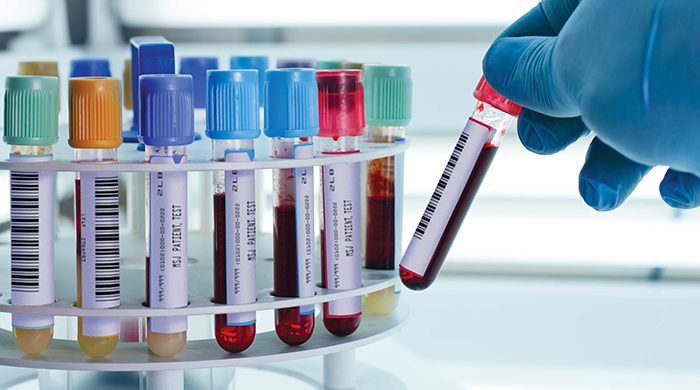
blood specimen

Lessons Learned is a new column designed to improve communication about process issues identified when incident reports and events are investigated.

The purpose for sharing Lessons Learned is to decrease the likelihood of the same or similar events occurring in different locations of an   organization. This month, the Lesson Learned is related to ensuring that when routine morning labs are ordered, the specimens are collected or, if not collected, escalated to the charge nurse and physician for further action.

Communication is key! Nursing has been pilot testing a new process on Nursing Stations 61 and 62 for the routine 0600 specimen collections. If the pilot is a success, we will roll it out to other medical/surgical floors in the near future. So stay tuned, and thank you to our Nursing and Laboratory staff for working together to improve this process!

Very Scary Stories – Specimen Labeling Errors Can Be Deadly

Appropriate labeling of specimens is a National Patient Safety Goal (NPSG). As simple as labeling a specimen may seem, labeling errors throughout the country have led to patient deaths. NPSG requirements are based on nationally recognized evidenced-based practices known to prevent harm to patients. This is why following each of the specific steps required of a NPSG is so very important. It is all about preventing patient harm!

The following is a story that actually occurred at a hospital (not UHB):

In the hospital where this event took place, staff at the Emergency Department (ED) were in the habit of collecting blood samples when starting IV’s even if there were no laboratory orders yet. Staff did this to save time and to save the patient another stick. Staff would collect the “just-in-case” samples and place them on the counter in the room with the patient.

The process the ED developed was that if labs were subsequently ordered, staff would get the specimen labels off the printer and then go to the patient’s room and label the specimens. Everyone seemed to think it was a great process.

However, this practice eventually resulted in the death of one patient and a second patient’s prolonged stay in the Intensive Care Unit. The flawed process included the stipulation that unlabeled samples were to be discarded prior to the next patient being placed in the room.

What happened that caused the negative outcome for these two patients? Answer: The samples from the first patient were not discarded but were used and labeled as if they belonged to the next patient placed in the room.

How many NPSG steps can you identify that were missed?   Here are a few:

  1. The specimens were not labeled at the bedside. The expectation is that the specimen is immediately labeled in the presence of the patient. Specimens should never be placed in any location for later labeling and should never be transported elsewhere for labeling even if just outside the room. The specimen-labeling NPSG specifically indicates: Label containers used for blood and other specimen must be labeled in the presence of the patient.
  2. The patient was not actively involved in the patient identification process. There is no evidence in this example that either patient was actively involved in the identification process. The patients should have been asked to state the two hospital-required patient identifiers while the individual collecting the samples compared the stated patient identifiers with the order, specimen labels, and the patient armband.

If you can identify more specimen labeling process steps that may have contributed to the negative outcomes, please send an email to Armella Grainger, Associate Vice President for Quality and Patient Safety, at armella.grainger@downstate.edu. There will be a drawing conducted by the Quality and Patient Safety Departments for those submitting responses.


Rebuilding our Safety Efforts One Call at a Time

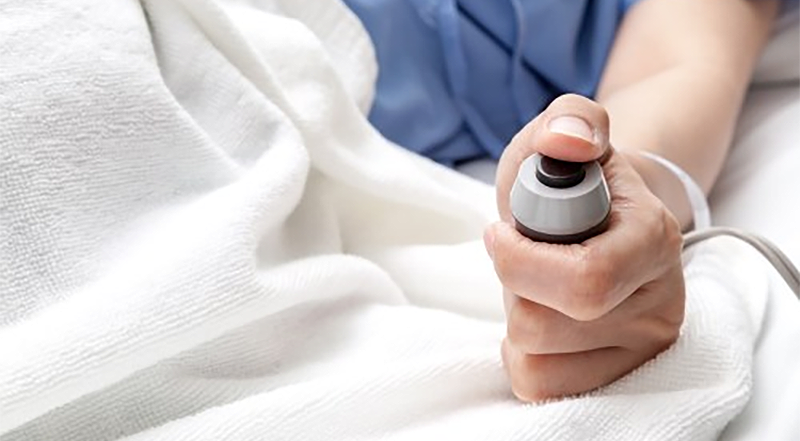
patient call bell

Providing a safe environment in conjunction with quality care, effective communication practices, and timely responsiveness to call bells is important in addressing patient needs.

The Affordable Care Act (ACA) and Value-Based Purchasing have challenged health care organizations to address patient safety issues that are key to any discussion of excellence in nursing care. 

In order for us to meet our patient safety goals, Nursing has focused on ACA’s ten key performance indicators:

  1. communication with nurses;
  2. nurses treating you with courtesy and respect;
  3. nurses listening carefully to you;
  4. nurses explaining in a manner you understand;
  5. hand hygiene;
  6. high alert meds;
  7. pressure injuries;
  8. falls;
  9. CAUTI;
  10. CLABSI.

And, to these we added an eleventh from our HCAHPS survey “call button help when needed.”

We decided to take a deeper dive into our safety practices after seeing an increase in falls and response time to call bells, despite safety intervention efforts including daily huddles, hourly rounding, and bedside handoff. One common thread was identified, which was “call bells.”

Our current call bell system does not allow communication of the patient’s need to the care provider. When a call is placed, a visible light and a tone alerts staff on a console at the nursing station and staff use an intercom to inquire about the patient’s need.

After the gap was identified, our Chief Operating Officer and Chief Nursing Officer committed to replacing the system house-wide, beginning with the medical surgical units, Labor and Delivery, and the emergency room. This new system offers staff-to-staff communication, timely communication with the patient, connectivity to the bed alarm, and when activated, will alert the nurse of the patient’s intent to exit from the bed. The lighted domes located outside of the patient’s room communicates the patient’s specific needs by color.

To date, the new system is now installed on all Medical-Surgical units except for Nursing Station 61. The rollout continues to the remainder of our stations and will be completed shortly.

The integration of the new call bell into the workflow will enhance the patient experience, promote patient safety, improve communication between our patients and the healthcare team, and increase staff satisfaction.

This is an excellent first step as we embark on our journey as a High Reliability Organization!


UHB Spotlight on Ruth O’Donnell, MSN, RN

Ruth O’Donnell

Ruth O’Donnell, MSN, RN, who has spent 15 years working in the field of nursing administration, has significant experience in managing high pressure situations that require consistent performance, clear decision making, and technical ability. She has been working as an Assistant Director of Nursing at Downstate in Nursing Station 71/73, Neuro Stroke and Epilepsy units since she joined Downstate in 2016. Ms. O’Donnell started her career in nursing at the General Santos Doctors’ Hospital in the Philippines as a Staff Nurse for Labor & Delivery and the Operating Room. Immediately prior to her appointment here, she had worked at Kingsbrook Jewish Medical Center where she was recognized as Overall Top Leader Patient Rounder and she also received an award for Excellence in Patient Experience. 

Since joining our team, Ms. O’Donnell has been inducted into the Nursing Honor Society (Sigma Theta Tau) and recognized for Highest Patient Satisfaction for two consecutive Quarters (3rd and 4th Quarters of 2017). She always welcomes the Accelerated Nursing program students from Downstate College of Nursing for their Medical Surgical clinical rotation on her floor and serves as their resource person. Ms. O’Donnell is currently a member of the COVID-19 Vaccine Administration Team to help keep Downstate protected during the pandemic. She was recently featured in a COVID-19 Public Service Announcement (PSA) in her native language, Tagalog.

In Nursing Station 71/73 Neuro Stroke & Epilepsy units, they have demonstrated extraordinary results through solid communication with nursing staff, physicians, and ancillary personnel. “I believe that engaged employees can be the key to great quality care and patient satisfaction. It is a pre-requisite for high staff performance and it is related to retention, patient-centered care, quality, and safety” she says.

These units have seen a steady climb in the Nurses Treated you with Courtesy and Respect scores documented through Press Ganey over the past two years. In 2018, their percentile rank was on average in the 8th percentile. The staff amazingly moved the scores to the 80th percentile in 2020 by implementing several best practice communication initiatives.

These units also show a marked increase in the HCAHPS Rate the Hospital 0-10 scores, from being in the 1st percentile in 3rd quarter of 2019 to an unbelievable 99th percentile in 4th quarter of 2020. Ms. O’Donnell says, “When staff are engaged and happy, patients are happy, and when patients are happy, great HCAHPS scores and great clinical outcomes are evident.”                    

Due to their patient population (Neuro Stroke and Epilepsy) most patients in these units are at risk or high risk for falls. While there were 22 falls without injury in 2019, Ms. O’Donnell’s team, through the implementation of several best practice safety initiatives, decreased the fall rate by 55% in 2020 with a total of 12 falls without injury.

There was also a vast improvement within her units in hand hygiene through the use of BioVigil. They sustained the highest compliance rate of 95% and above for 3 consecutive years since this initiative started at the hospital. These units have demonstrated the highest total number of hand hygiene opportunities compared to other medical-surgical floors and departments and have had no hospital acquired CLABSI, CAUTI, and C-diff since 2017.

Ms. O’Donnell is truly inspiring. We are proud of her amazing accomplishments and thankful for her commitment to elevating UHB to new heights.
 

national_doctors_day


downstate_uhb_logo

SUNY Downstate Health Sciences University
450 Clarkson Avenue
Brooklyn, NY 11203
phone: (718) 270-1000